
Indian Rice Mill Machine & the Rice Industry in Africa
December 25, 2024
Commercial Rice Mill in Africa : Transforming with Automation
January 8, 2025

How to choose the right machinery, commercial or mini rice mill
Whether you’re starting with a mini rice mill for small-scale production or scaling up with a commercial rice mill machine, your choice of equipment will directly impact your operational efficiency, product quality, and profitability. Setting up a successful rice mill in Africa requires careful planning, especially when it comes to selecting the right machinery. Here's a guide to help you make informed decisions.
But first, make yourself familiar with the basic process flow of a rice mill.
Understanding the basics
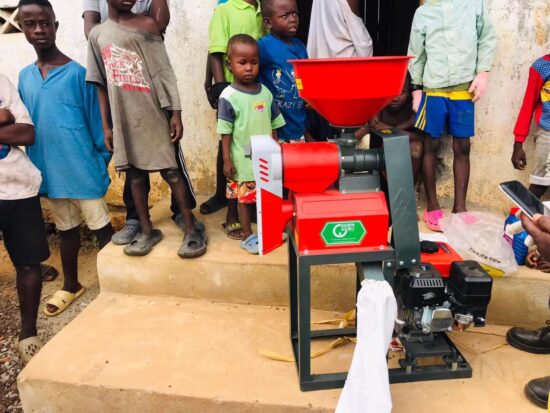
What is a Compact Rice Mill?
A compact rice mill is a cost-effective machine designed for small-scale operations. It typically includes 3 functions like de-husking, polishing, and grading. The input capacity of a mini rice mill is about 100 kgs per hour. These machines are ideal for startups or farmers looking to process rice locally for community consumption. These machines provide a steady income stream. Maintenance is relatively simple, and they can be operated with basic technical skills.
What is a Mini Rice Mill?
A Mini Rice Mill is one which skips no phase in the rice milling process. However it is a single unit of interconnected milling machines which occupies one room. It definitely yields better quality product than copmact rice mills and are ideal for medium scale mills that have an input capacity of upto 2 tonnes per hours.
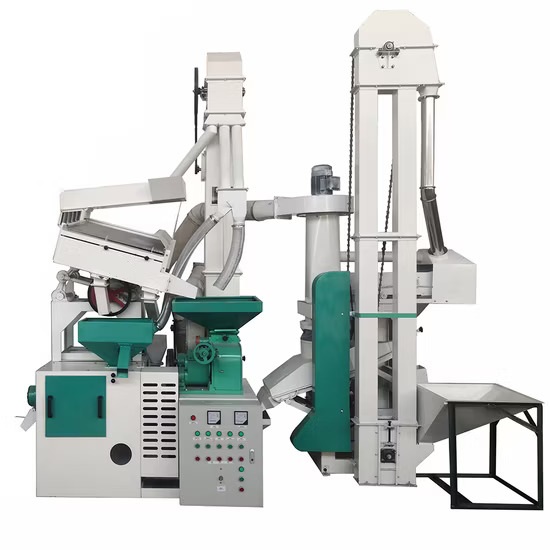
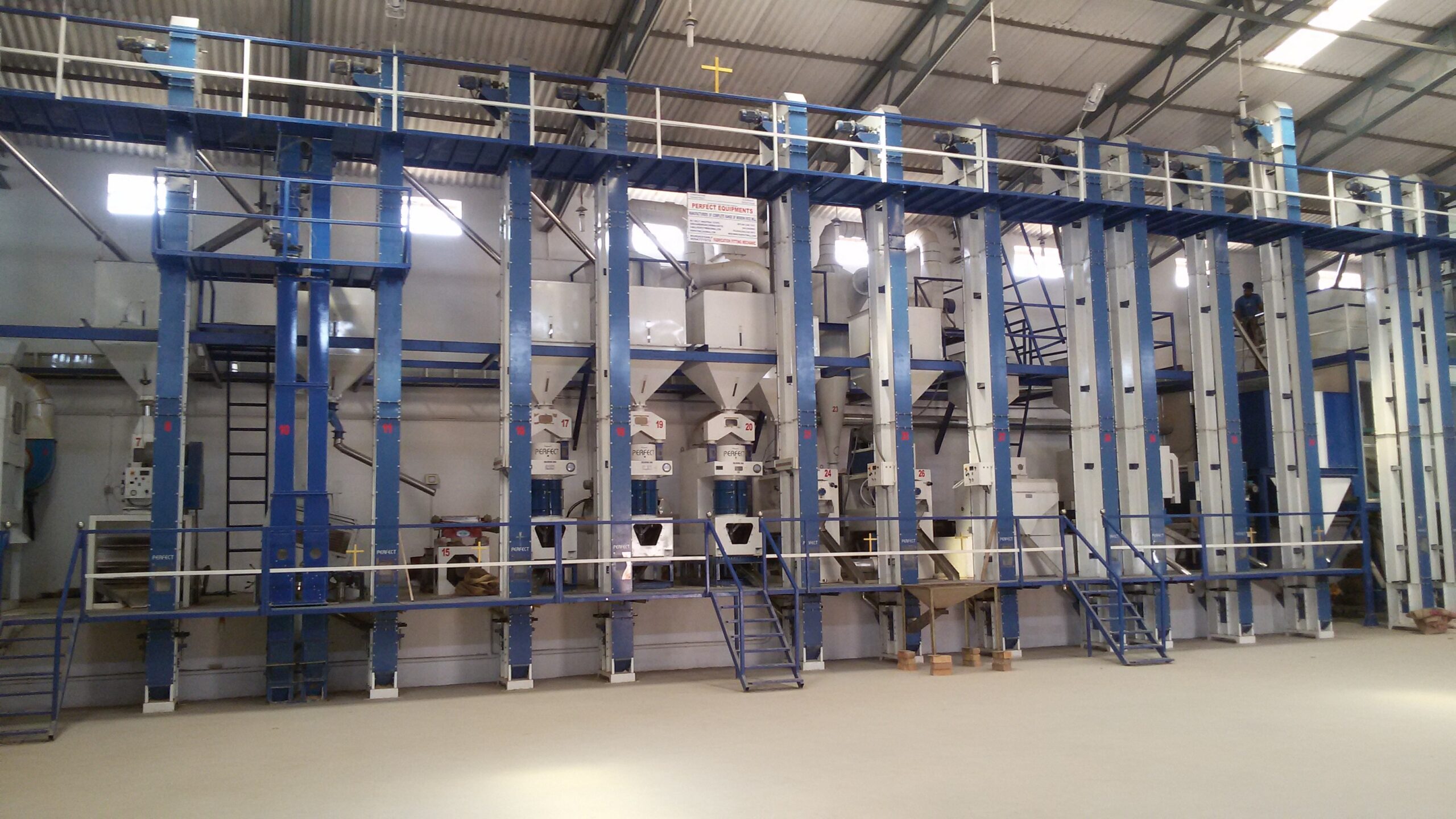
What is a Commercial Rice Mill Machine?
Commercial rice mills are ideal for businesses targeting bulk production and premium markets, including exports. These mills cater to anything upward of 4-5 tonnes per hour. It offers advanced features such as automated cleaning, higher capacity, and precision grading. While the initial investment is significant, the high efficiency and superior quality of the output make them cost-effective in the long term. However, they require a dedicated space, consistent energy supply, and skilled technicians for operation and maintenance.
Key Factors to Consider When Choosing Machinery
Production Capacity:
Capacity of rice mill machines is always measured by the input load per hour. It is however extremely important to not overload the pre-cleaners as it directly affect the quality of the output.
Budget Constraints:
Mini rice mills are more affordable, making them ideal for new entrepreneurs or small-scale farmers. Commercial machines require a higher investment but yield better economies of scale over time.
Ease of Maintenance:
Simple designs in mini rice mills make them easier to maintain with minimal technical expertise. Commercial rice mills may require specialized technicians for maintenance and repair.
Energy Efficiency:
Evaluate energy consumption & availability, especially in areas with unreliable electricity. Solar-powered options or energy-efficient models can be a game-changer. The AfEES is working towards implementing sustainable sources of energy prioritizing the agriculture sector in Africa.
Quality of Output:
Determine your end-user. While compact and mini rice mills are good enough for self consumption and domestic market, catering to the world markets will require one being quality conscious and undertake huge investments in large scales mills.
Tips for Setting up Your Rice Mill
Before setting up a rice mill, it is essential to conduct a feasibility study. Analyze the local demand for rice and the availability of raw materials. Evaluate the competition and identify your target market. Partnering with reliable suppliers is equally important. Source your machinery from trusted manufacturers who offer warranties and after-sales support to ensure smooth operations.
Proper training for your staff is vital to operate and maintain the equipment efficiently. Plan for scalability from the outset; starting with a mini rice mill is a good strategy, but be prepared to upgrade to commercial machinery as your business grows. A well-thought-out plan ensures sustainable and profitable operations.
Conclusion
Choosing the right machinery for small-scale rice processing in Africa depends on your production goals, budget, and market demand. With the right strategy and equipment, you can transform your rice milling business into a profitable venture.
If you’re planning to set up a rice mill in Africa, consult with our team of experts at Sonika Impex. We offer end-to-end solutions, from feasibility studies to machinery installation, tailored to meet your specific needs. Let’s build a sustainable future together
Connect with us now to get Customised Turnkey Engineering Solutions