How to Choose the Right Machinery- Commercial or Mini Rice Mill?
January 1, 2025
Combine Harvester: Unlocking Efficiency in Rice Harvesting
January 15, 2025
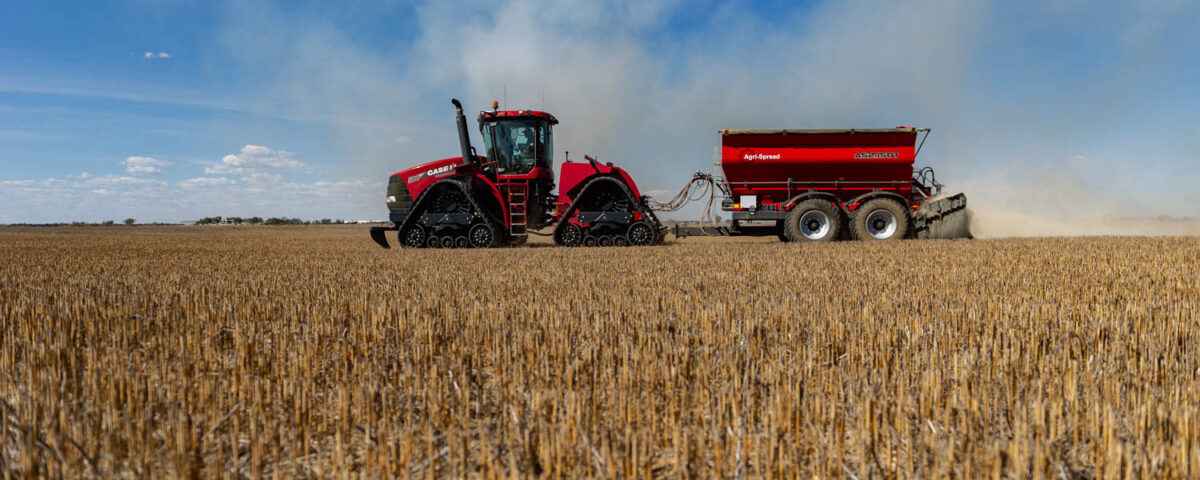
Commercial rice mill in Africa, transforming with automation
The agricultural landscape in Africa is evolving rapidly; among the key crops driving this transformation is rice, a staple food for the continent. With demand surging across the continent, commercial rice mill have taken the 1st step towards increasing output has been taken, that is, expanding area of cultivation. However, the next relevant and important step is improving the efficiency and productivity which happens through adoption of mechanization needs to be implemented. This is where automation, is playing a pivotal role in reshaping Africa's rice manufacturing industry.
However, achieving efficiency and sustainability in rice production remains a challenge.
Key Benefits of Automation in Rice Mills
Africa’s burgeoning population and growing urbanization have resulted in a rising demand for rice. Automation is critical for commercial rice mill operations, which cater to large-scale demands and require precision and efficiency.
Traditional rice milling methods are often labor-intensive, time-consuming, and yield suboptimal results. Factors such as post-harvest losses, inconsistent quality, and inefficiencies in processing have hindered the sector’s growth. Automation offers a solution to these challenges. By integrating advanced machinery and digital technologies, automation can enhance productivity, reduce waste, and ensure consistent quality in rice processing.
It ensures consistent processing, reduces waste and improves yield.
1. Cost Reduction
The forefront of automation is long-term benefits. While the initial investment in automation may be significant, the benefits are sustained and far outweigh the costs. The long-term savings in labor costs and increased yields makes it a financially viable option for commercial rice mill machines.
2. Enhanced Efficiency and Precision
Mechanizing systems, streamline the milling process, reducing the time and labor required. Machines such as automated destoners, huskers, and polishers can handle large volumes of rice with minimal human intervention. These precision machineries separate grains with minimal loss, ensuring that more of the harvested crop reaches the market. Read about advanced rice processing technology.
3. Enhanced Grain Quality
Automation in post-harvest operations, including drying and milling, plays a crucial role in maintaining rice grain quality. It allows for real-time monitoring of key parameters such as moisture levels, grain quality, and packaging standards. Proper drying techniques prevent kernel fissuring, which can lead to reduced head rice yield, thereby ensuring higher quality produce. This ensures a uniform product that meets international market standards.
4. Scalability
Automated plants can easily scale operations to meet growing demand, offering flexibility in production volumes without compromising on quality.
5. Sustainability and Energy Efficiency
Modern automated systems are designed to optimize resource usage, from water to electricity. They also generate less waste, contributing to a more sustainable production model.
6. Reduced Post-Harvest Losses
With precise and efficient machinery, post-harvest losses can be minimized. This is especially important in Africa, where a significant portion of harvested rice is lost due to inadequate processing facilities.
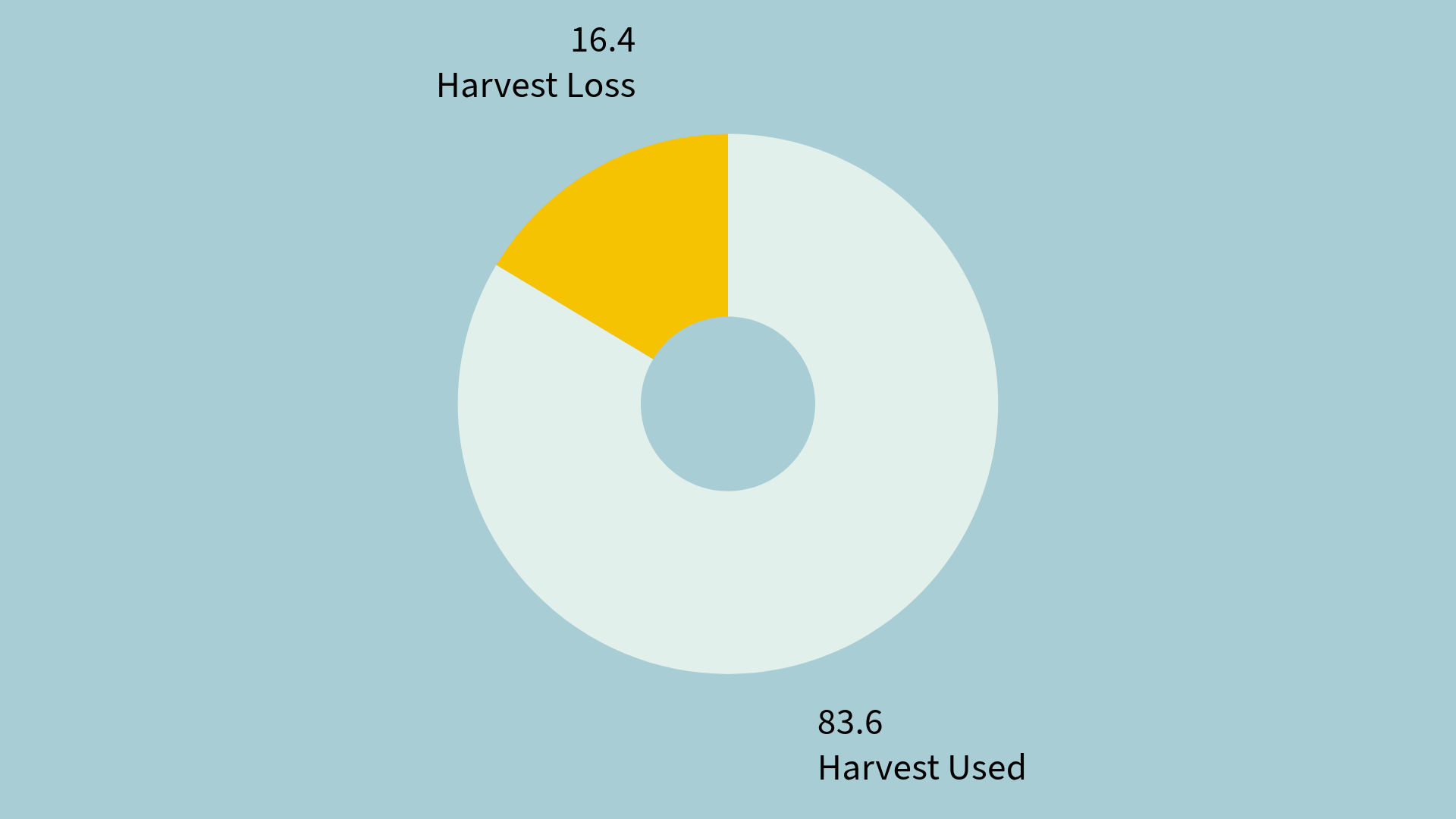
Studies have shown that using manual processing techniques yield a staggering post-harvest loss of 16.4%.
The same research paper showed using combine harvesters can decrease losses to as low as 4.1–5.4%.
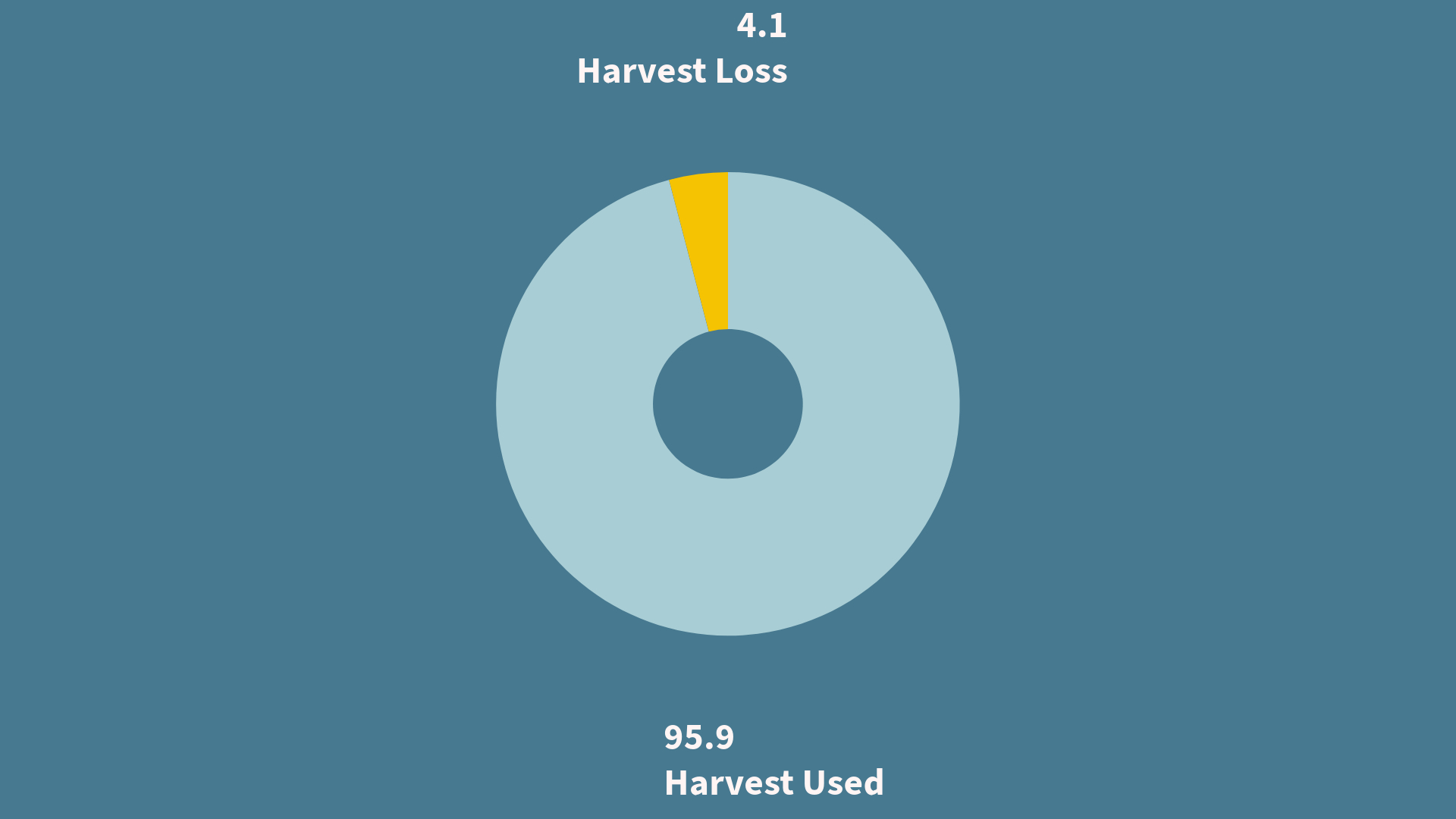
Up to 75% Reduction in Post-Harvest Losses: Implementing modern harvesting equipment, such as combine harvesters, can significantly reduce post-harvest losses. Studies have shown that using combine harvesters can decrease losses to as low as 4.1–5.4%, compared to up to 16% with manual methods.
How Automation is Transforming the sector: Strategic Areas of Automation in Commercial Rice Mills
1. Pre-Cleaning
Automated machines remove impurities, ensuring only high-quality paddy enters the production line.
2.Drying and Parboiling
Advanced drying systems prevent over-drying or under-drying, preserving the quality of rice.
3. Milling
Automated mills enhance efficiency and reduce breakage during the milling process. See innovative rice milling solutions.
4. Packaging
Automated packaging systems ensure consistent weight and tamper-proof sealing, improving shelf life and market appeal.
Challenges that restrict Automation
- High Initial Investment: Automation systems require significant capital investment, which can be a barrier for small and medium enterprises.
- Lack of Skilled Workforce Operating and maintaining automated systems require technical expertise.
- Infrastructure Deficits: Reliable electricity and internet connectivity are essential for automated systems but remain inconsistent in many parts of Africa.
Solutions to Drive Automation Adoption
- Government Support: Governments and financial institutions can offer subsidies and low-interest loans to encourage adoption.
- Public-Private Partnerships (PPPs): Collaboration between governments and private entities can pool resources and expertise to establish state-of-the-art commercial rice mill facilities.
- Capacity Building: Training programs to develop a skilled workforce capable of operating and maintaining automated systems are essential.
- Localized Solutions: Developing cost-effective automation technologies tailored to Africa’s specific needs can make them more accessible to local businesses.
Case Studies: Real-World Impact: Success Stories from Africa
Countries like Nigeria, Ghana, and Senegal have embraced automation in their commercial rice mill processing industries. These success stories highlight the transformative potential of automation in Africa’s rice manufacturing sector.
1. Nigeria
Nigeria’s adoption of automated milling systems has significantly reduced post-harvest losses, improving local rice availability and reducing reliance on imports.
2. Ghana
Automated packaging solutions have enabled Ghanaian rice manufacturers to compete in international markets, boosting export revenues.
3. NRDS
The National Rice Development Strategy in Africa has improved rice quality in a number of ways, including:
Post-harvest handling: The NRDS has improved post-harvest handling and processing of paddy to increase milling out-turn and the quality of the product.
Training: The NRDS has trained staff in rice promotion, production, and post-harvest handling technologies.
Irrigation: The NRDS has increased the amount of irrigated land planted to rice.
Agricultural mechanization: The NRDS has promoted modern agricultural mechanization to minimize drudgery and facilitate commercialization of rice production.
The Road Ahead
Investing in modern commercial rice mill technology is a step toward a sustainable and self-sufficient future for Africa.
Automation is not just a tool; it is a catalyst for growth, efficiency, and sustainability in Africa's rice manufacturing sector. As stakeholders embrace this transformative technology, the continent’s rice industry is poised to reach new heights, ensuring food security and economic prosperity for millions..