

Home › Fruit Processing Machinery › Bucket elevator and belt conveyors
Bucket Elevator And Belt Conveyors For Fruit Processing Lines
What A Bucket Elevator And Belt Conveyor Does
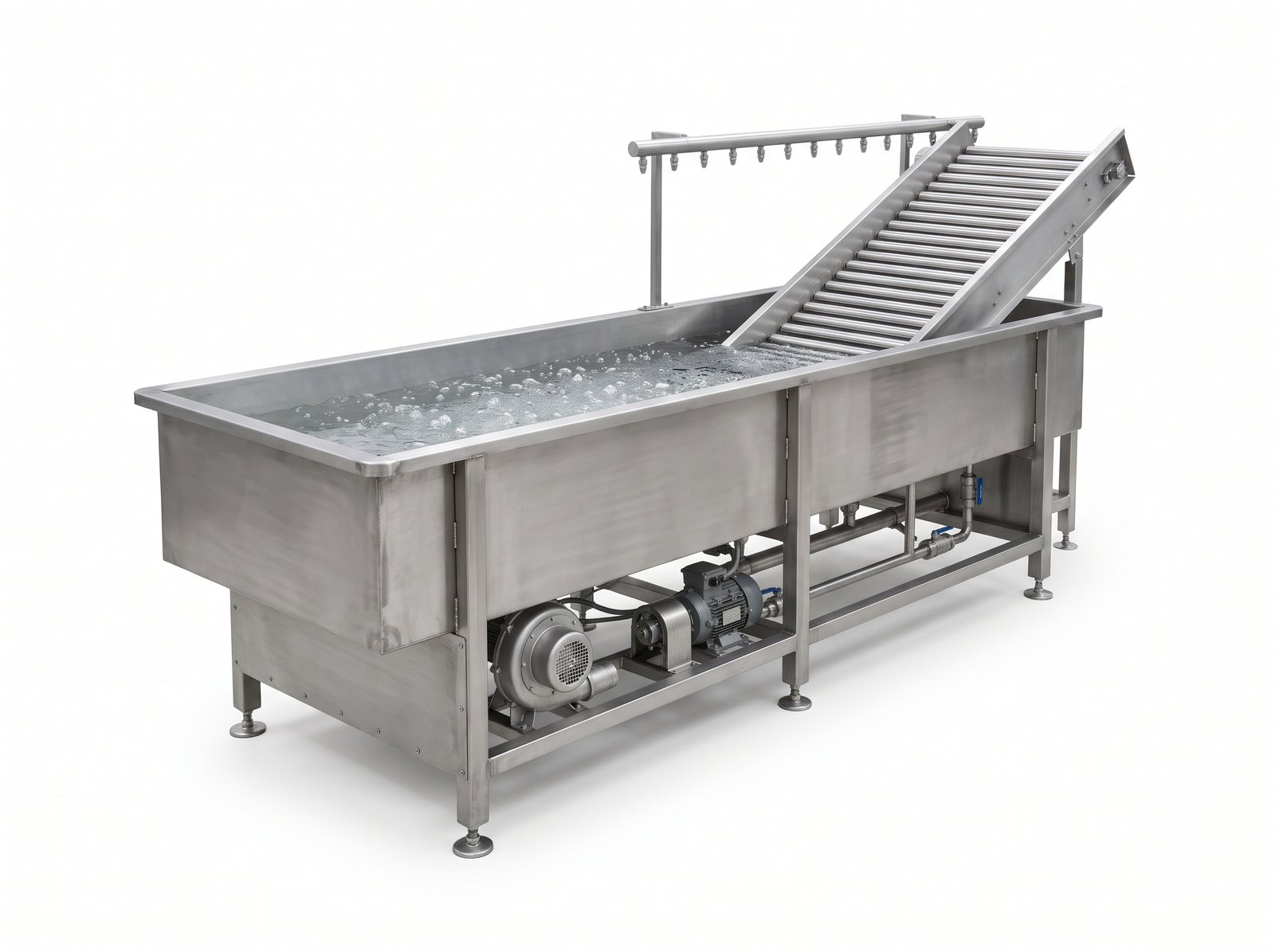
A bucket elevator and belt conveyor line moves fruit, and the waste it leaves behind, from one machine to the next in a fruit processing line. The machines in a fruit plant stand at different heights and in different places. The fruit washing machine is low. The mango destoner or fruit mill and crusher is fed from above. The fruit pulper and finisher sits on a platform. Elevators lift the fruit up to each feed point. Belt and screw conveyors carry it across the floor, spread it between machines and take skins, seeds and fibre away.
Material handling is the part of a line that buyers notice only when it fails. An elevator that spills or jams stops every machine after it. A conveyor that drops fruit from a height bruises it before it is pulped. A waste conveyor sized too small leaves the destoner choking on its own stones and skins, and the line runs below the rate it was built for even though every process machine is sound.
Bucket Elevator And Belt Conveyor Capacity
Bucket elevators and belt conveyors are offered for lines of 500 kg/hour, 1, 2, 5 and 10 TPH, from a flight elevator to a PP modular belt and bucket elevator. Each one is matched to the washer and to the machine it feeds. The waste conveyors are sized to the skins, stones and fibre that line produces.
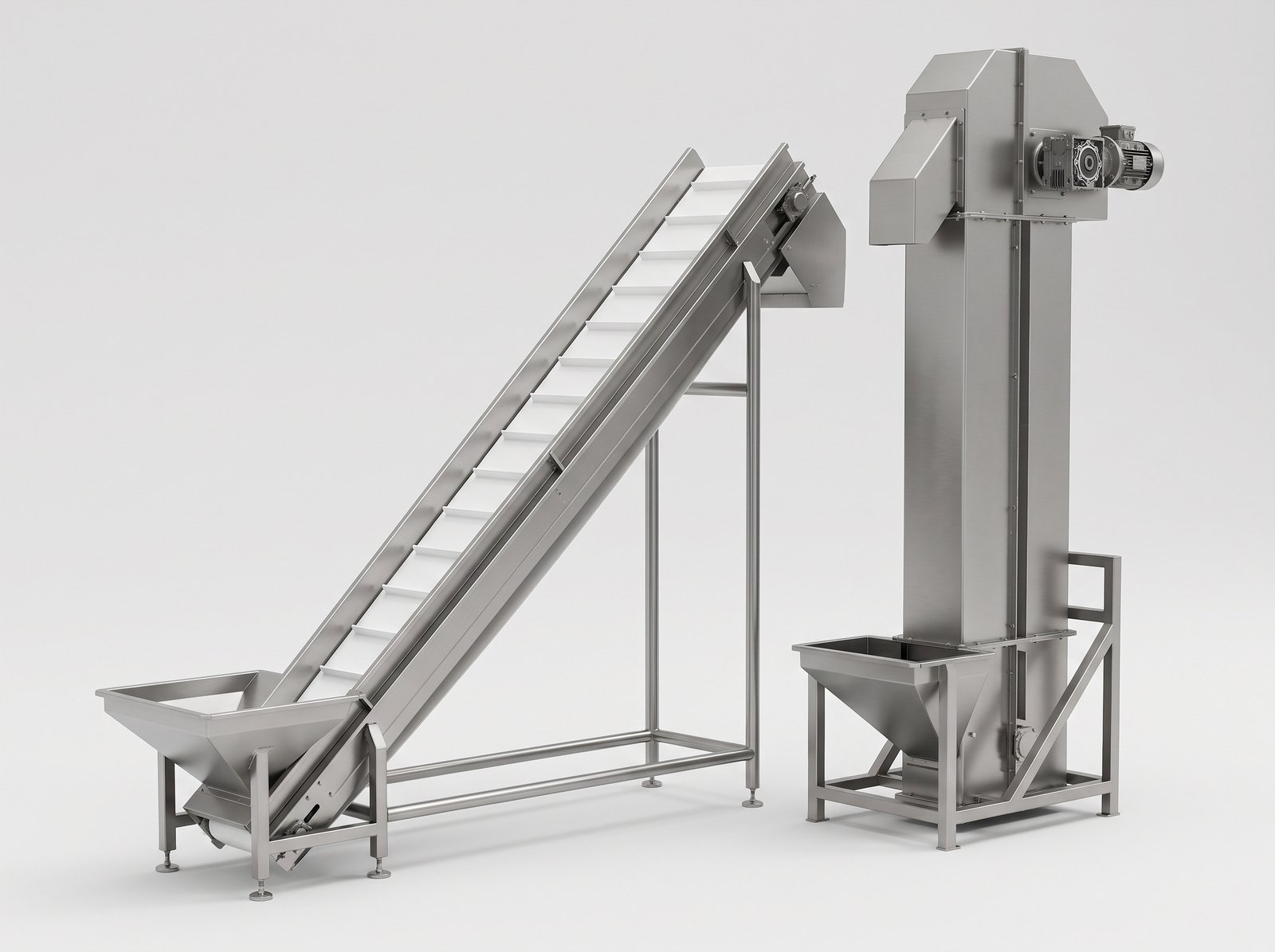
Where A Bucket Elevator And Belt Conveyor Sits In The Line
Elevators and conveyors sit between almost every pair of machines in the fruit receiving and extraction sections. A typical run starts at the pick-up conveyor of the fruit washing machine and passes to the sorting and grading conveyor. From there a bucket or flight elevator lifts the fruit to a distribution conveyor, which feeds the mango destoner, the fruit mill and crusher, the juice extractor or the fruit pulper and finisher.
Whole, washed and sorted fruit arrives at the elevator foot and leaves at the head into the feed hopper of the next machine. On the waste side, skins, stones, seeds and fibre leave the extraction machines on a U-section or screw waste conveyor that carries them out of the building.
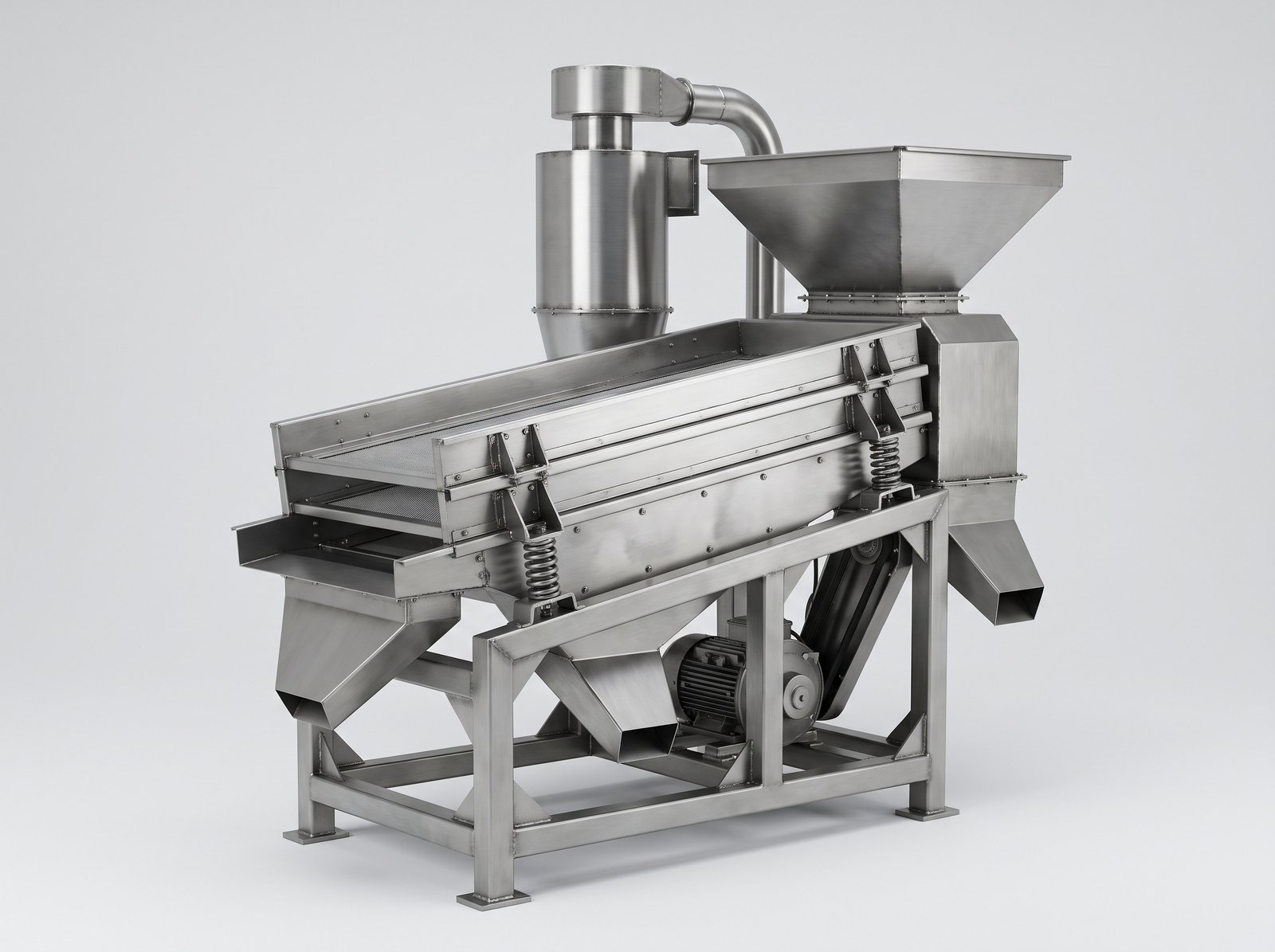
seed cleaner and destoner
Bucket elevator and belt conveyors
This Machine
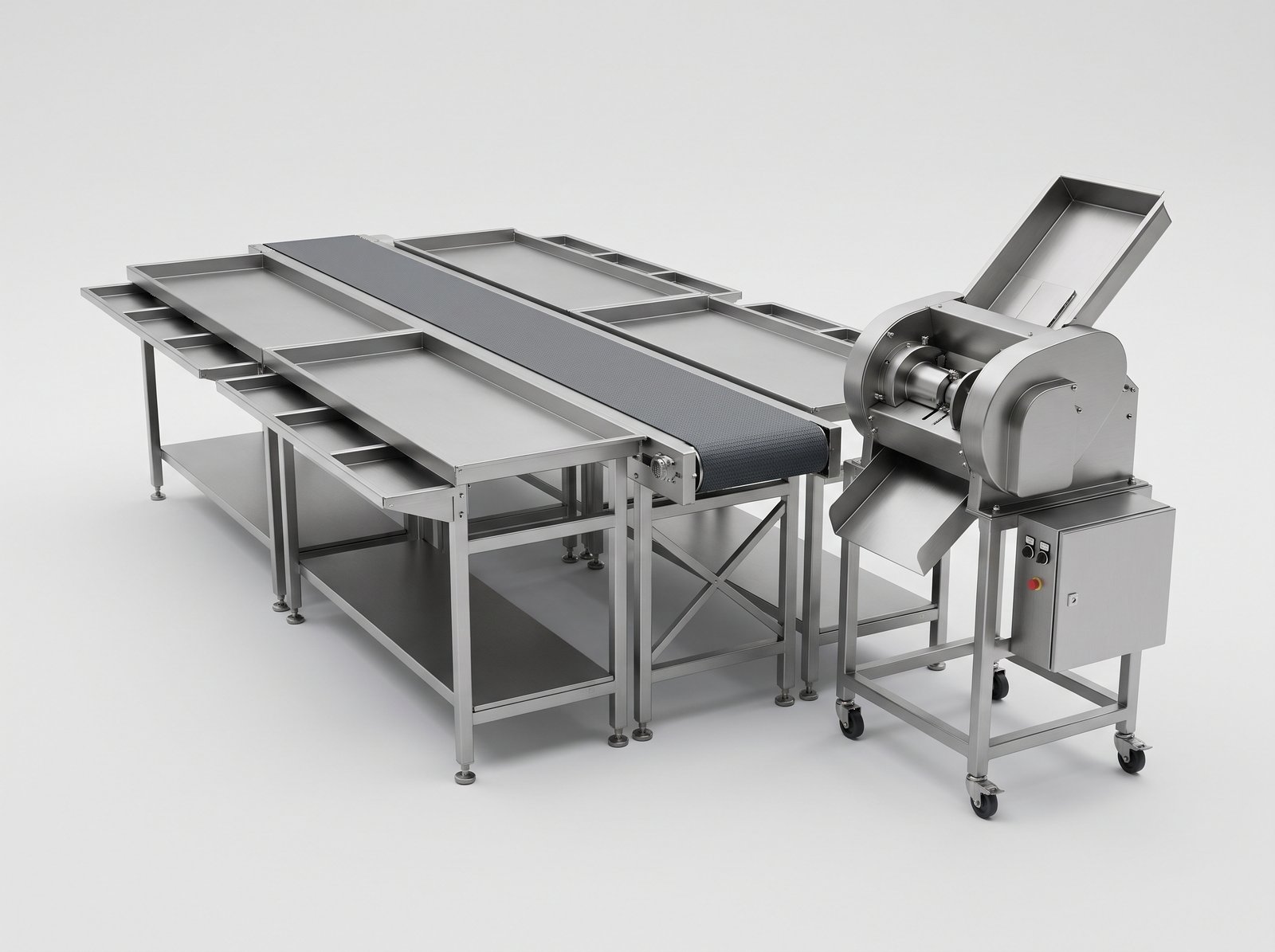
preparation tables, corer and slicer
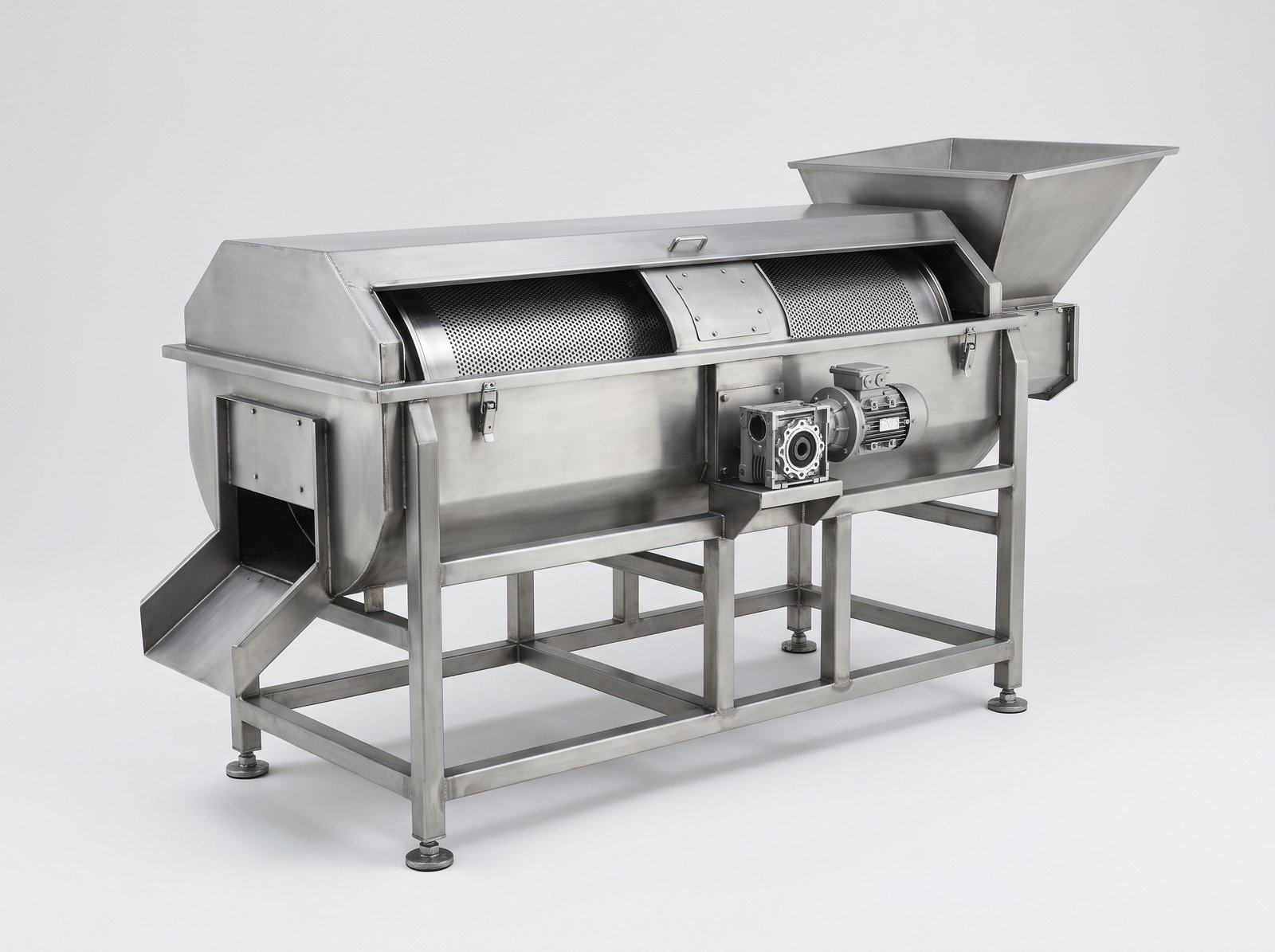
rotary drum blancher
How It Works
1
How The Bucket Elevator And Belt Conveyor Lifts The Fruit
A bucket elevator for fruit has a stainless steel frame with a chain or belt running over a sprocket drive at the head and an idler at the foot, guided on angle tracks. Buckets or flights fixed to the chain pick fruit up at the foot hopper and tip it into a discharge chute at the head. A geared motor drives the head sprocket.
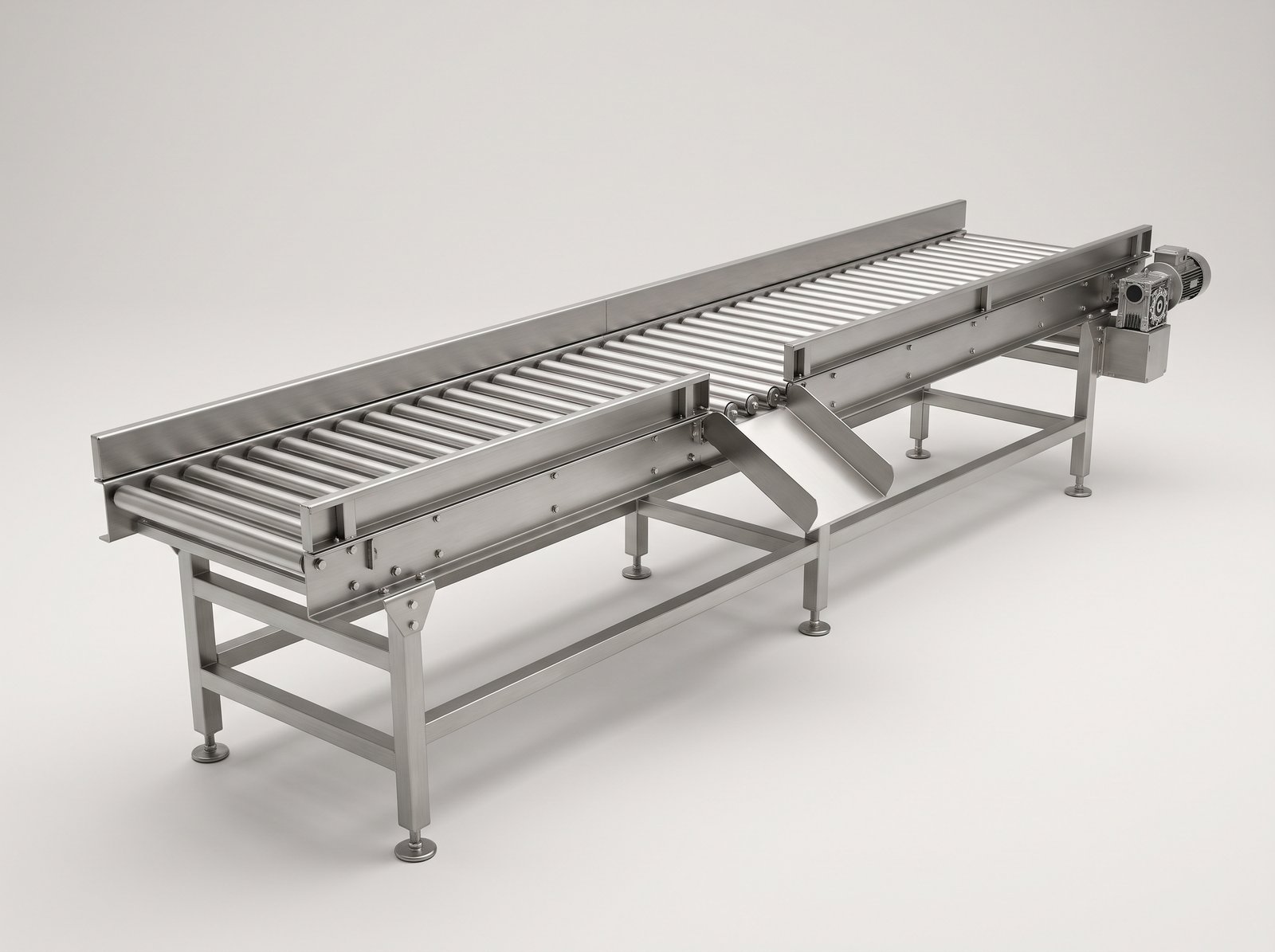
On a flight or modular belt elevator, a polypropylene modular belt with flights runs on stainless steel tracks with polypropylene chain wheels. It lifts fruit gently, washes down easily, and its links can be replaced one at a time when they wear. A stainless steel elevator conveyor belt does the same on smaller lines.
2
How The Bucket Elevator And Belt Conveyor Spreads Fruit Between Machines
The distribution conveyor runs along the line of extraction machines. A deviation chute with an adjustable baffle, and distribution stoppers and chutes, send fruit to whichever machine is running. The operator can then switch between mango destoning and pineapple or tomato crushing without moving equipment.
3
How The Bucket Elevator And Belt Conveyor Line Carries Waste And Is Controlled
Waste leaves on a U-section belt conveyor or a stainless steel screw conveyor, with a screw elevator where the waste must be lifted into a trailer. The operator controls the elevator and conveyor speeds, the baffles on the distribution conveyor and the feed rate into each machine.
4
Types And Options
Bucket Elevator And Belt Conveyor With Chain And Buckets
Stainless steel frame, chain or belt with buckets, and a sprocket drive. It suits steep lifts to a crusher or pulper on a platform.
Bucket Elevator And Belt Conveyor With Flights Or A Modular Belt
A plastic modular belt with flights on an incline. It suits whole fruit that must be lifted without damage and washed down every shift.
Distribution And Transfer Sections Of A Bucket Elevator And Belt Conveyor Line
The distribution conveyor is a horizontal belt with diverter baffles that feeds several extraction machines from one line. Flat connecting belts link machines at the same level. Transfer screw conveyors move crushed fruit and pulp.
Waste Sections Of A Bucket Elevator And Belt Conveyor Line
U-section belt conveyors and screw conveyors, with screw elevators, carry skins, stones and fibre away from the extraction machines.
Bucket Elevator And Belt Conveyor Options
- Stainless steel or polypropylene contact parts.
- Variable-speed drives.
- Lengths, widths and lift heights to the layout of the building.
What Decides The Choice Of Bucket Elevator And Belt Conveyor
- The fruit and how firm it is: soft fruit needs a gentle flight or modular belt. Firm fruit can go on a bucket elevator.
- The line rate: elevators and conveyors are sized to the peak rate of the washer and extraction machines they connect.
- Heights and distances in the building: the feed height of each machine sets the lift, and the floor plan sets the conveyor lengths.
- How many extraction machines share the line: one machine needs a straight feed. Several machines need a distribution conveyor.
- Waste volume: mango stones and pineapple skins are bulky, so the waste conveyor is sized to the waste the line produces.
- Cleaning: all contact parts are washed down daily, so open designs and stainless steel are chosen where sugar and pulp collect.
What A Bucket Elevator And Belt Conveyor Is Supplied With
- Stainless steel frames, supports and tracks.
- Buckets, flights or modular belts as specified.
- Sprocket or pulley drives with geared motors.
- Feed hoppers, discharge chutes and diverter baffles.
- Motor starters or connection to the line control panel.
- Manuals and an initial parts kit, including belt links or buckets.
- Installation, commissioning and operator training at the buyer’s site.
Bucket Elevator And Belt Conveyor On Its Own Or In A Line
Elevators and conveyors are supplied on their own when a line is extended or a machine is moved. They are also part of every complete fruit plant: the fruit juice processing plant, the fruit pulp and concentrate plant, the tomato ketchup plant, the tomato puree, paste and sauce plant, the citrus juice plant, the pineapple juice plant and the canned fruit and vegetable plant. In a complete plant they are laid out with the building, so heights and feed points match the machines.
Bucket Elevator And Belt Conveyor Inspection And Documentation
Each elevator and conveyor can be inspected by SGS or Bureau Veritas before dispatch, as the buyer requires. The order ships with manuals, an initial parts kit of belt links or buckets, and the layout showing where each unit stands in the line.
Frequently Asked Questions
Does A Bucket Elevator And Belt Conveyor Damage The Fruit?
It can if the fruit drops too far or the buckets are too hard for it. For soft fruit a flight or modular belt with short drops is chosen, and the discharge chutes are shaped to slow the fruit.
Can One Bucket Elevator And Belt Conveyor Line Feed Several Machines?
Yes. A distribution conveyor with adjustable baffles sends fruit to whichever destoner, crusher or extractor is running.
How Does A Bucket Elevator And Belt Conveyor Line Handle Waste?
Skins, stones and fibre leave the extraction machines on a U-section belt or a screw conveyor. It can end in a screw elevator that loads a trailer outside the building.
Can A Bucket Elevator And Belt Conveyor Be Added To My Existing Line?
Yes. Each unit is built to the heights and distances of your machines, from your layout or a site measurement.
Related Machines
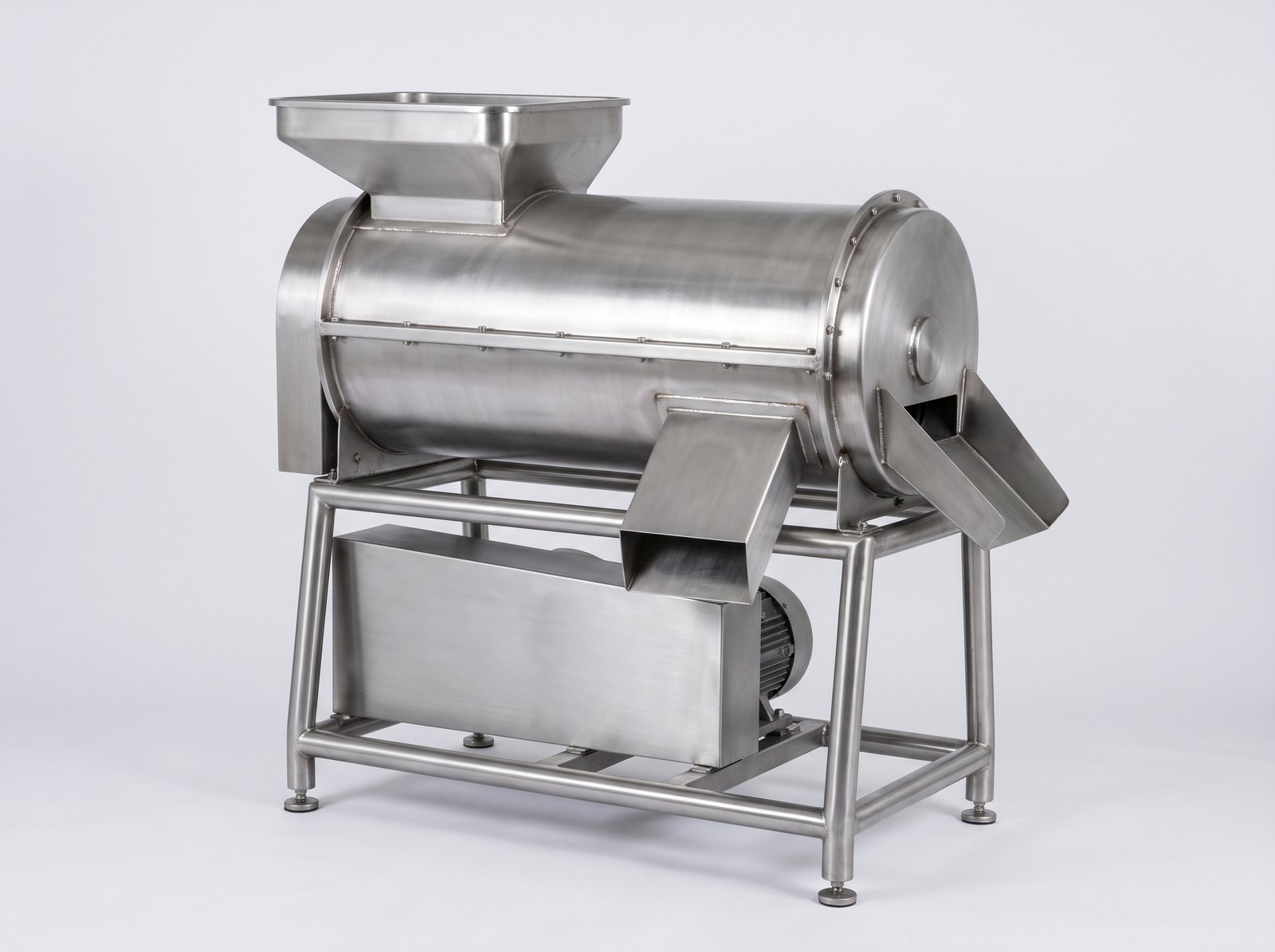
takes fruit from the distribution conveyor and sends stones and skins to the waste conveyor.
Next Step For Your Bucket Elevator And Belt Conveyor
Send us your layout, the machines to be connected and the line rate, and we will send a customer-specific proposal. How we work sets out each step from proposal to commissioning. Write to archit@sonikaimpex.com or sunil@sonikaimpex.com, or call +91 99027 67900.