

Home › Rice Processing Machinery › Rice silky polisher
Rice Polisher Machine: Silky Water Polisher For Rice Mills
Smooths and cleans white rice with a water mist, as the last milling step.
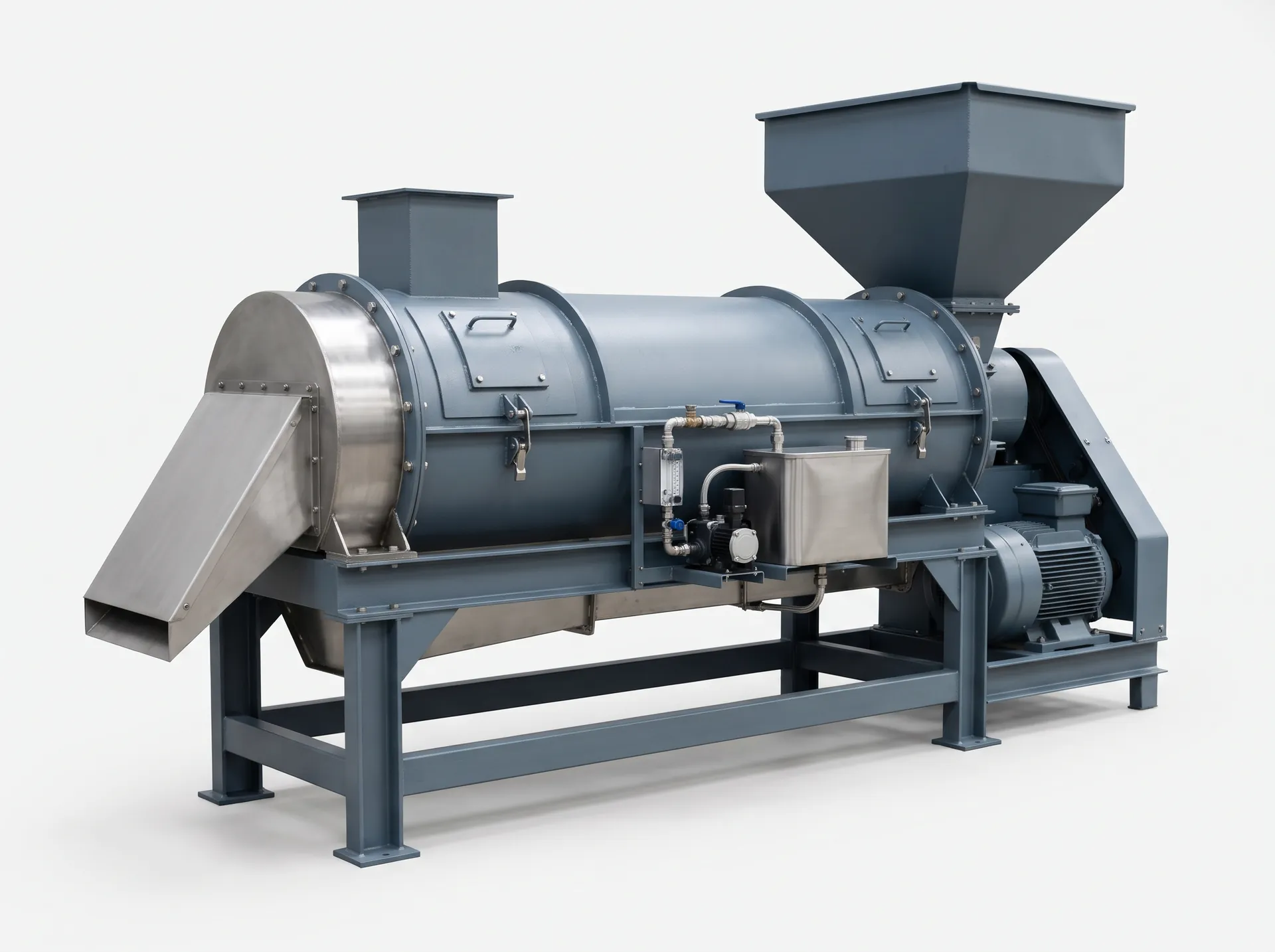
What A Rice Polisher Machine Does
A rice polisher machine gives white rice its final smooth, clean surface. After whitening, fine bran powder still clings to the grain and the surface is slightly rough. The silky polisher adds a fine mist of water and rubs the grains against each other and against a screen, so the last bran flour lifts off. It is the finishing stage of a raw rice mill.
Polishing set wrong shows in the bag. Too much water and the rice sticks, cakes on the screens and leaves damp, which spoils it in storage. Too little, and the grain stays dull and dusty. Too much pressure breaks whole grains at the last milling step, after every earlier machine worked to keep them whole.
- Polishing: ribbed milling roll inside a screen cage
- Water: fine mist from a dosing pump
- Bran flour removal: own blower, cyclone and airlock
- Capacity: 1, 2–3, 4–5 and 6 TPH per machine
- Range: small polisher to large water-mist silky polisher
Rice Polisher Machine Capacity
Silky polishers are offered at 1, 2–3, 4–5 and 6 TPH per machine, from a small polisher to a large water-mist silky polisher. The polisher is matched to the whitening stage ahead of it, so it takes the full flow of white rice at the mill’s rate.
Where A Rice Polisher Machine Sits In The Line
White rice arrives by bucket elevator from the Rice whitener. It is warm, whitened and still dusted with bran powder.
Polished rice leaves to the Plan sifter and length grader for grading by size. The bran flour taken off in polishing leaves through the polisher’s own aspiration to a cyclone and the bran room, kept apart from the coarser whitener bran. Parboiled rice lines go from whitening straight to grading, with no polishing stage.



How It Works
1
Water Mixing At The Inlet Of The Rice Polisher Machine
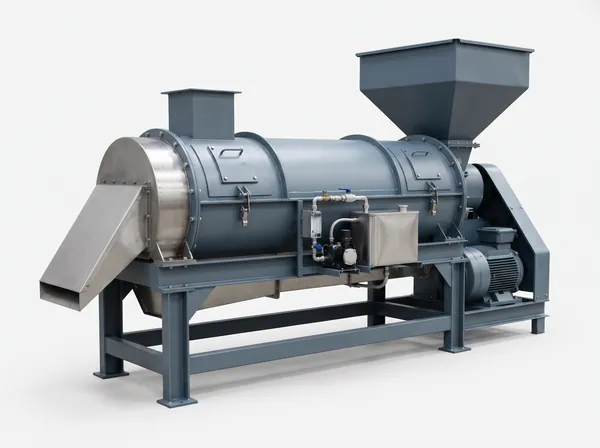
Rice enters a mixing chamber at the top. A dosing pump feeds a measured flow of water as a fine mist, blended evenly through the grain. The operator sets the water flow for the rice and the finish wanted. More water gives more gloss and more risk of sticking.
2
Polishing On The Ribbed Roll Of The Rice Polisher Machine
The damp rice passes into a horizontal milling roll with raised ribs, turning inside a cage of screens. The ribs keep the grain turning, so kernels rub on each other and on the screen. The moisture softens the bran flour, and the rubbing lifts it off.
3
Aspiration And Cooling In The Rice Polisher Machine
The polisher’s own blower draws air through the chamber. It carries the bran flour out through the screens to a cyclone and airlock, and it cools the rice as it is polished. Rice that leaves cool and dry goes to the bins without sweating.
4
Outlet Gate And Control On The Rice Polisher Machine
Rice leaves against an adjustable outlet pressure, set by hand or by a pneumatic slide gate. On the automatic panel, the water pump, gate and motor run together and the motor load is shown.
Types And Options
Silky Water Rice Polisher Machine
A single horizontal polisher with water dosing, mixing chamber and screen cage, controlled by hand. It suits the compact mill and medium raw rice mills, where one operator watches the finish and adjusts water and outlet pressure directly.
Heavy-Duty Rice Polisher Machine With Automatic Panel
A heavier machine with water pump, automatic control panel and pneumatic slide gate. The panel holds the water and pressure steady as feed changes, which suits larger mills running long shifts. It needs compressed air for the gate.
Rice Polisher Machine Milling Roll And Screens
The milling roll and screens are settled with the variety and the finish the market pays for in view. Slender grains and bold grains respond differently on the roll. The buyer sends a description of the rice, and the roll and screens are chosen for it in the proposal.
Rice Polisher Machine Water Dosing And Aspiration Options
A water dosing pump sized to the machine, with its flow set by hand or held by the automatic panel. The polisher’s own blower, cyclone and airlock keep the fine bran flour apart from the whitener bran, so each can be collected on its own.
What Decides The Choice Of A Rice Polisher Machine
A polisher earns its place where buyers pay for a clean, glossy grain. A mill selling plain white rice to a local market may not need one yet, and can leave space in the layout to add it later.
- Raw material: the variety and how it whitens.
- Product: the finish the buyers pay for.
- Scale and running hours: the capacity step, and manual or automatic control.
- Upstream: the output of the whitening stage it follows.
- Utilities: clean, steady water for the dosing pump, and compressed air for a pneumatic gate.
- Maintenance: screens and belts are the wearing parts.
What A Rice Polisher Machine Is Supplied With
- The polisher with mixing chamber, milling roll and screen cage
- Water dosing pump
- Drive motor
- Manual control, or automatic control panel with pneumatic slide gate
- Bran aspiration with blower, cyclone and airlock
- Erection and commissioning at the buyer’s site
- Training for project and maintenance staff at the buyer’s site
- After-sales support, which stays available after the warranty period ends
How we work sets out each step, from the first enquiry and customer-specific proposal to erection, commissioning and after-sales support.
Rice Polisher Machine On Its Own Or In A Line
A polisher is often bought on its own, by a mill that already sells white rice and now wants to reach buyers who pay for a polished grain. It also replaces a worn machine or matches an expanded whitening stage. In a complete plant it is the polishing stage of the Raw rice mill plant, 2 TPH and above, and an option on the Compact rice mill. Supplied as part of a line by Sonika Impex India, it is planned with the whitening stage ahead of it.
Rice Polisher Machine Inspection And Documentation
SGS or Bureau Veritas can inspect the polisher before shipment where the buyer asks for it. They check the roll and screen cage, the dosing pump, the control panel functions and a dry run of the drive. Packing for export follows the inspection.
Frequently Asked Questions
Does A Rice Polisher Machine Whiten The Rice Further?
Only slightly. The whitener has already removed the bran layer. The polisher lifts the bran powder that is left and smooths the surface.
Why Does A Rice Polisher Machine Use Water?
A fine mist softens the bran flour so it comes away cleanly and leaves a smooth surface. The amount is small and is set at the dosing pump.
Can A Rice Polisher Machine Be Added To A Running Mill?
Yes. Many mills start without one and add it when they move into markets that pay for a polished grain. The mill layout can leave space for it from the start.
Related Machines
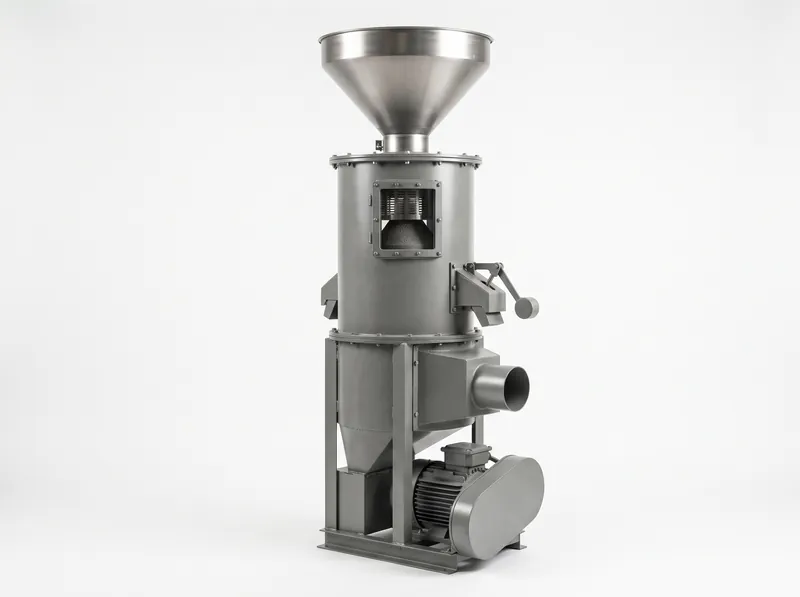
removes the bran layer by abrasion and hands the polisher white rice still carrying bran powder.
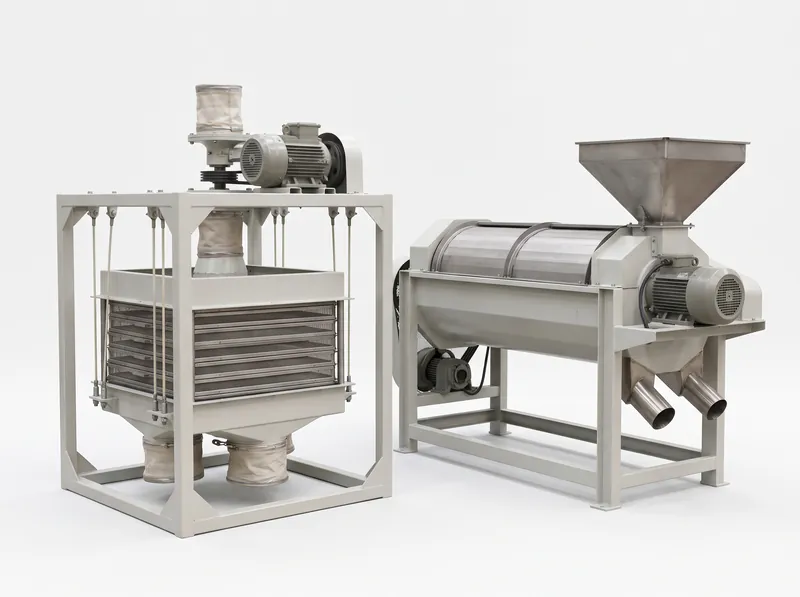
takes polished rice and separates head rice from brokens by size and length.

Next Step For Your Rice Polisher Machine
Send us the variety you mill, the finish your buyers ask for and the output of your whitening stage, and we will prepare a customer-specific proposal from India. Write to archit@sonikaimpex.com or sunil@sonikaimpex.com, or call +91 99027 67900.