

Home › Rice Processing Machinery › Rice colour sorter
Rice Color Sorter: Colour Sorting Machine For Rice Mills
Removes discoloured grains and foreign matter from graded rice before bagging.
What A Rice Color Sorter Does
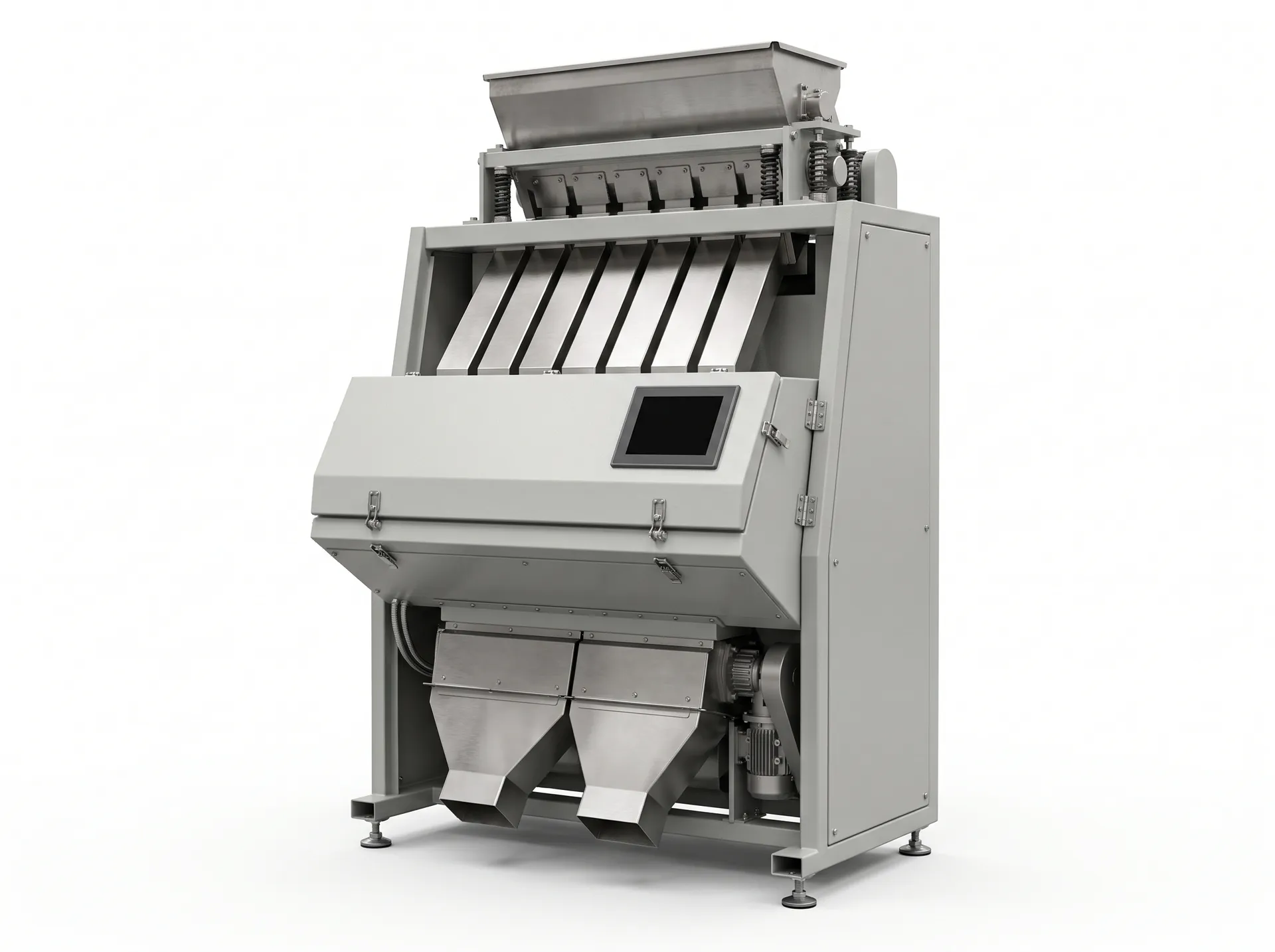
A rice color sorter watches every grain of milled rice as it falls past cameras, and blows out any grain of the wrong colour with a short jet of air. It removes yellow, chalky and spotted grains, black tips, red-streaked kernels, stray paddy, and foreign matter such as small stones, glass and seeds. It is the last cleaning step before bagging.
Without sorting, the mill sells every defect that the earlier machines could not take out by size or weight. A few dark grains in a bag of white rice are what a buyer notices first, and they can set the price of the whole lot. A sorter set badly does its own harm. Too sensitive, and good rice goes out with the rejects. Too loose, and the defects stay in the bag.
- Sorting: cameras on a falling curtain of rice, with air ejectors
- Feed: vibrating feeder onto inclined chutes
- Air: clean, dry compressed air from a compressor with dryer
- Control: touch-screen panel with stored programs
- Capacity: 1 to 8–10 TPH
Rice Color Sorter Capacity
Rice colour sorters are offered at 1, 2–3, 4–5, 6–7 and 8–10 TPH, from a single-chute sorter to a large multi-chute sorter. The sorter is sized to the head rice the mill sends forward. The buyer chooses one sorter for the whole flow, or smaller machines that can be run separately.
Where A Rice Color Sorter Sits In The Line
Graded head rice arrives by bucket elevator from the Plan sifter and length grader, through a small feed bin above the sorter. It is white or polished and already separated from the brokens, but still carries discoloured grains and foreign matter of the same size as good rice.
Accepted rice leaves from the bottom of the sorter to the finished bins and the Rice bagging machine. Rejects leave through a separate chute to a re-sort pass, and what is rejected on the last pass goes to its own bag.


How It Works
1
Feeding Rice Onto The Chutes Of The Rice Color Sorter
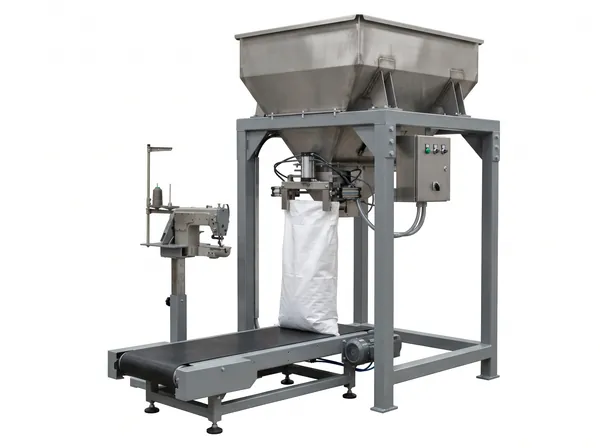
Rice drops from the feed bin onto a vibrating feeder, which spreads it in a thin, even layer across a row of inclined chutes. The operator sets the feed rate. A sorter fed too fast puts grains on top of each other, and the cameras then miss defects.
2
Camera Inspection Inside The Rice Color Sorter
The grains slide down the chutes and leave the bottom as a single falling curtain. Lighting in the viewing zone shows each grain clearly, and cameras on one or both sides look at every grain. The sorter’s computer compares each grain’s colour and shade with the program set for good rice.
3
Air Ejection In The Rice Color Sorter
When the computer sees a defect, it fires an ejector: a small, fast valve that sends a jet of compressed air at that grain alone. The grain is knocked out of the curtain into the reject channel. Good rice falls on undisturbed into the accept channel.
4
Re-Sorting And Settings On The Rice Color Sorter
Part of the chutes take the rejects and sort them again, so good grains thrown out by mistake are recovered. On the touch-screen panel the operator sets the sensitivity for each kind of defect and the share sent to re-sort, and switches stored programs between varieties.
Types And Options
Single-Chute Rice Color Sorter
The smallest machine, with one chute, its cameras and its ejectors. It lets a smaller mill sort its rice with a machine sized to its own output. As output grows, the mill can add sorting capacity alongside it.
Multi-Chute Rice Color Sorter
Several chutes side by side in one machine, each with its own cameras and ejectors. The number of chutes is set by the head rice the mill sends forward. It is the usual machine on raw and parboiled rice mill plants.
Rice Color Sorter With Cameras On Both Sides
Cameras on one side see one face of each grain. Cameras on both sides see a spot or black tip that sits on the far face. Buyers with tight limits on spotted grain usually take the two-sided version.
Air Supply For The Rice Color Sorter
The ejectors need clean, dry air at all times. A compressor with an air dryer and filters can be supplied with the sorter. It is sized to the ejectors from the start, so the sorter has its own steady air supply.
Room And Power For The Rice Color Sorter
The sorter’s cameras and electronics work best in a clean, cool, dust-free cabin. A cabin with its structure and feed bin, a voltage stabiliser and air conditioning for the room can be ordered with the machine where the site calls for them.
What Decides The Choice Of A Rice Color Sorter
The market decides how strict the sorting has to be. Buyers with tight limits on discoloured grains call for more chutes and two-sided cameras. Local markets may accept a broader standard, and a simpler sorter can serve them.
- Raw material: raw or parboiled, long or short grain, each with its own program.
- Product: the defect limits the buyers set.
- Scale and running hours: the number of chutes and machines.
- Upstream: rice that is already graded sorts more accurately.
- Utilities: clean, dry compressed air at all times, and a steady power supply.
- Maintenance: ejectors and filters are spares to plan with the order.
What A Rice Color Sorter Is Supplied With
- The sorter with feeders, chutes, cameras, lighting and ejectors
- Touch-screen control panel with stored programs
- Air compressor with air dryer and filters
- Structure, cabin and feed bin, where ordered
- Voltage stabiliser, where ordered
- Erection and commissioning
- Training for project and maintenance staff at the buyer’s site
- After-sales support, which stays available after the warranty period ends
Rice Color Sorter On Its Own Or In A Line
Many sorters go into mills that already run and now want buyers who pay for sorted rice, so the sorter is often bought on its own. In a complete plant it is the sorting stage of the Raw rice mill plant, 2 TPH and above and the Parboiled rice mill plant, ahead of bagging.
Rice Color Sorter Inspection And Documentation
Third-party pre-shipment inspection by SGS or Bureau Veritas is available as the buyer requires. It takes place before the sorter is packed and exported.
Frequently Asked Questions
What Does A Rice Color Sorter Remove That A Grader Cannot?
A grader sorts by size and length. A sorter removes discoloured, chalky and spotted grains, stray paddy and foreign matter that are the same size as good rice.
Does A Rice Color Sorter Throw Away Good Rice?
Some good rice goes out with the rejects on the first pass. The re-sort stage sends the rejects past the cameras again and recovers most of it.
Can One Rice Color Sorter Handle Raw And Parboiled Rice?
Yes. Stored programs hold the settings for each rice, and the operator switches between them on the panel.
Why Does A Rice Color Sorter Need Its Own Compressed Air?
The ejectors fire short jets of air many times a second. Wet or oily air blocks them and spoils sorting, so a compressor with a dryer is supplied for the sorter.
Related Machines
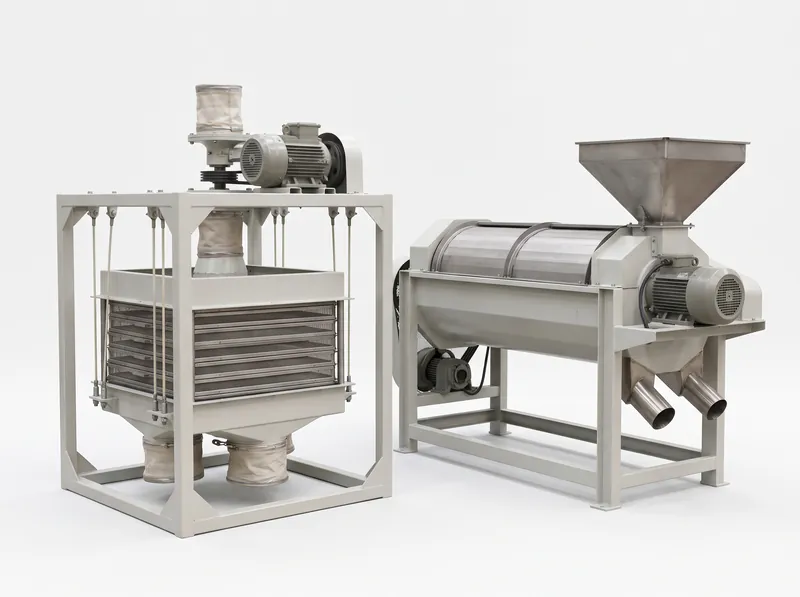
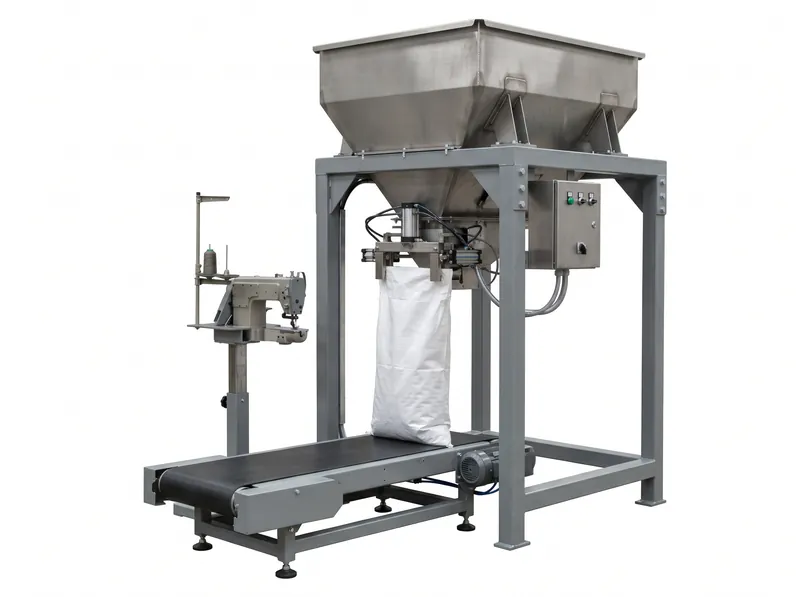
gives the grain a clean, even surface earlier in the line, which the cameras read more reliably.
Next Step For Your Rice Color Sorter
Tell us your rice, the defect limits your buyers set and the output of your mill. Sonika Impex India will send a customer-specific proposal. How we work sets out each step of a project, from the first enquiry to erection and commissioning. Write to archit@sonikaimpex.com or sunil@sonikaimpex.com, or call +91 99027 67900.