

Home › Rice Processing Machinery › Paddy pre-cleaner
Paddy Cleaner Machine For Rice Mills
Removes straw, dust and light grain from paddy at the head of a rice mill.
What A Paddy Cleaner Machine Does
A paddy cleaner machine is the first machine paddy meets in a rice mill after intake. It removes straw, chaff, dust, mud balls, empty and light grains, and trash such as string and sacking. Stones the size of a grain go on to the paddy destoner that follows.
When this step is done badly, the cost shows up further down the line. Straw chokes elevator boots and the feed of the rubber roll husker. Dust wears the husker’s rolls and the stones of the rice whitener. Light grains leave as brokens and bran, and the rice carries more foreign matter.
- Capacity: 1, 3, 5, 10 and 15 TPH of paddy
- Range: single-sieve cleaner to vibro or drum pre-cleaner
Paddy Cleaner Machine Capacity
Paddy cleaner machines are offered at 1, 3, 5, 10 and 15 TPH of paddy. The cleaner is chosen a step above the milling rate. That margin lets intake cleaning keep pace with the line through the main harvest, when paddy arrives at its dirtiest.
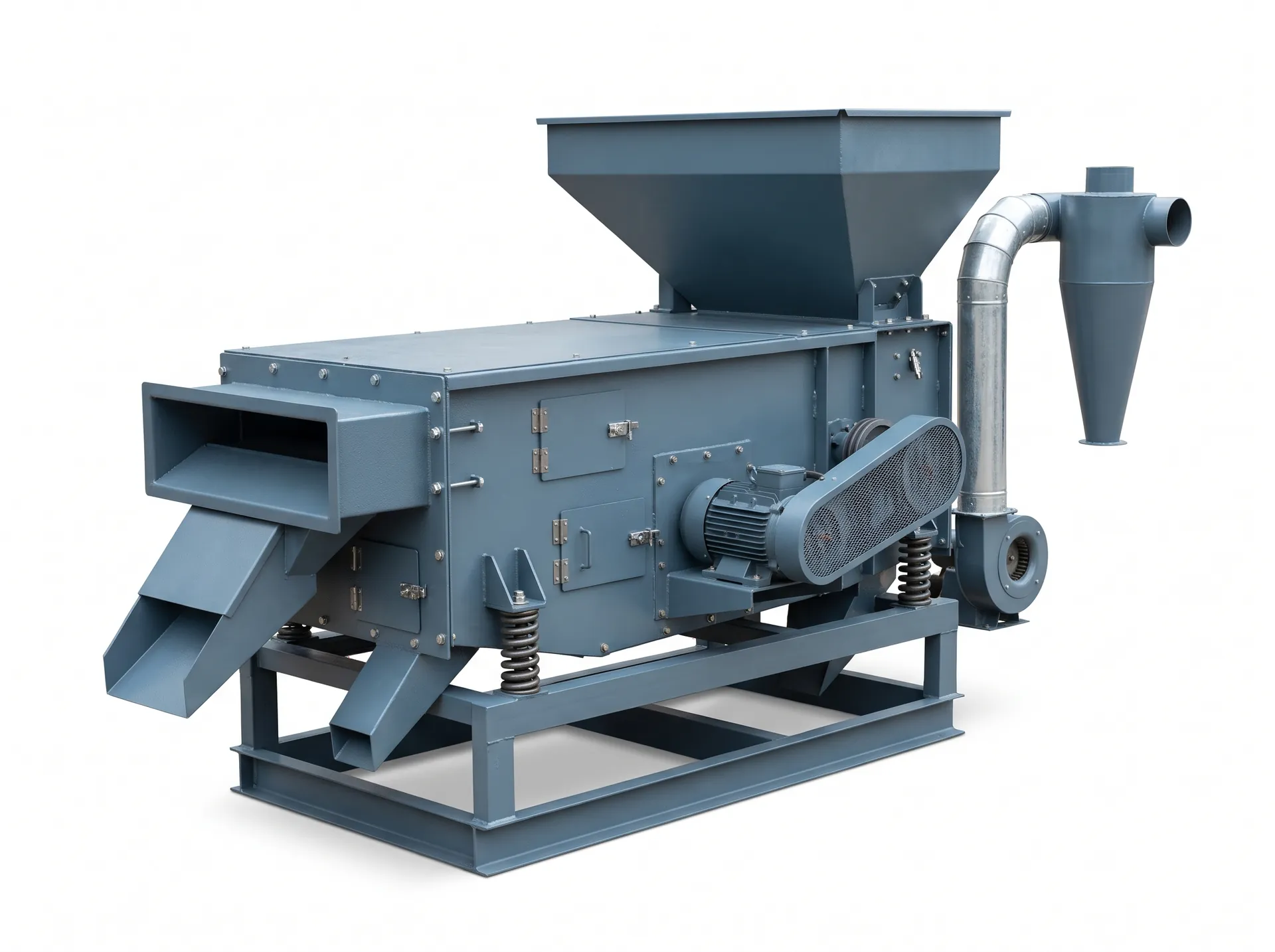
Where A Paddy Cleaner Machine Sits In The Line
Paddy reaches the cleaner from the intake pit or store by bucket elevator, usually through a magnetic box. It arrives as field paddy, with straw, dust and light grain in it.
Clean paddy leaves to the paddy destoner. Trash goes to a waste chute and dust to a cyclone. In a parboiled mill, paddy from the destoner goes on to the parboiling soaking and steaming tanks, so it is clean before it is soaked.

How It Works
1
Feeding Paddy Into The Paddy Cleaner Machine
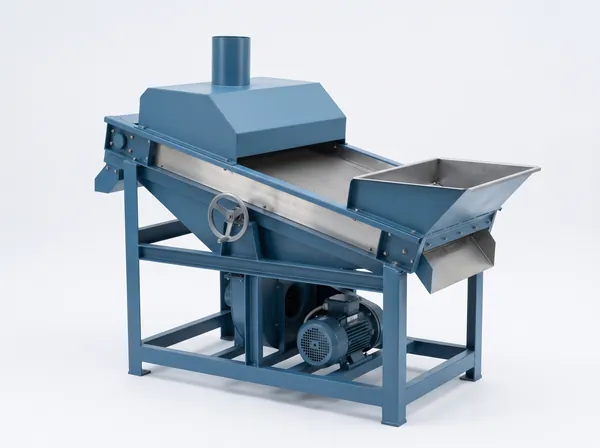
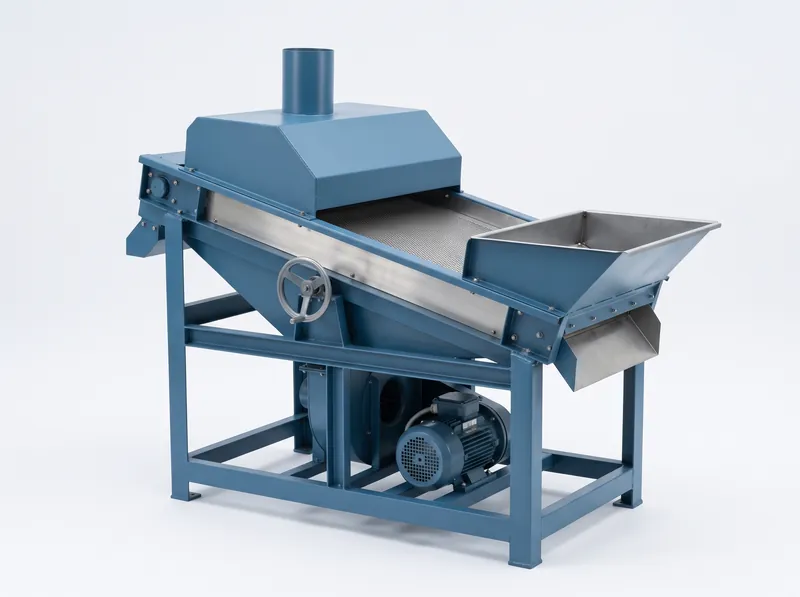
Paddy enters a feed hopper with an adjustable gate or feed roll that spreads it across the full width of the screen. Paddy piled to one side crosses the screen before it is cleaned. The operator sets the gate to the mill’s running rate.
2
Scalping And Sizing On The Paddy Cleaner Machine Screens
The top scalping screen holds back straw, stalks and mud balls and sends them to the waste chute. A lower sizing screen lets sand and small seeds fall through. Good paddy travels between the two to the outlet. Screens are perforated or woven, with a different set for long-grain or bold paddy.
3
Driving The Paddy Cleaner Machine Deck
A sieve boat is shaken by an eccentric drive. A vibro deck sits on springs and is moved by vibrating motors. A drum cleaner turns a cylindrical screen on its own motor. The operator sets the deck angle or stroke, which decides how long paddy stays on the screens.
4
Aspiration At The Paddy Cleaner Machine Outlet
At the outlet, paddy falls through a channel against air drawn up by a blower. Dust, chaff and empty grains lift away to a cyclone and leave through an airlock. The operator sets the air with a damper. The air is set to lift the light grains. Full grains are heavier, so they fall through to the outlet.
Types And Options
Single-Sieve Paddy Cleaner Machine
The small end of the range: a flat sieve boat on an eccentric drive, with an aspirator at the outlet. It suits compact mills, and its screens are changed on site.
Vibro Paddy Cleaner Machine
A spring-mounted deck driven by vibrating motors, with its own aspiration channel and blower. The stroke and travel speed are set finely, so the time paddy spends on the screens can be matched to each lot.
Drum Paddy Cleaner Machine
A rotating cylindrical screen that scalps straw, string and stalks from paddy with a heavy trash load. It suits mills buying from many farmers, where sacking and string arrive mixed into the grain.
Paddy Cleaner Machine Inlet And Aspiration Options
A magnetic box at the inlet, and either its own blower and cyclone or one aspiration system shared with the destoner. A support structure where the building has no platform. Screen sets for each paddy variety the mill buys.
What Decides The Choice Of A Paddy Cleaner Machine
The cleaner is chosen for the paddy the mill actually receives, which is often dirtiest in the main harvest.
- Paddy: straw, dust and light grain after threshing, from many farmers or one estate.
- Variety: long-grain and bold paddy need different screens.
- Scale and running hours: long seasonal shifts need margin above the line rate.
- Power and dust: blower power, and where the cyclone and waste chutes go.
- Maintenance: screens, belts and airlock seals are the wearing parts.
What A Paddy Cleaner Machine Is Supplied With
- The cleaner with scalping and sizing screens.
- Drive motor or vibrating motors.
- Aspiration blower, cyclone and airlock.
- Feed hopper with feed control; magnetic box where needed.
- Starter or control panel.
- Erection and commissioning at the buyer’s site.
- Training for project and maintenance staff at the buyer’s site.
- After-sales support, which stays available after the warranty period ends.
How we work sets out each step, from the first enquiry and customer-specific proposal to erection, commissioning and after-sales support.
Paddy Cleaner Machine On Its Own Or In A Line
A paddy cleaner machine is supplied on its own to replace a worn cleaner, or when an expanded mill outgrows its old one. In a complete plant it is the first machine of the compact rice mill, the raw rice mill plant, 2 TPH and above and the parboiled rice mill plant. Supplied as part of a line by Sonika Impex India, it is planned with the machines after it.
Paddy Cleaner Machine Inspection And Documentation
Before shipment, SGS or Bureau Veritas can inspect the cleaner as the buyer requires: screen sizes against the order, blower balance, motor ratings, and a dry run of the deck and aspiration. Packing for export follows the inspection.
Frequently Asked Questions
Is A Paddy Cleaner Machine The Same As A Destoner?
They are two separate machines. The cleaner separates by size and air: trash on the screens, dust and empty grain in the aspiration. The destoner separates by weight and removes stones the same size as the grain.
Does Farm-Cleaned Paddy Still Need A Paddy Cleaner Machine?
Yes. Paddy bought from several farmers arrives cleaned to different standards. The cleaner takes out the straw, dust and light grain each lot still carries, before the paddy reaches the husker and whitener.
Why Does A Paddy Cleaner Machine Need Aspiration?
Empty grains are the same size as full ones, so a screen lets them through. Rising air lifts them out before they reach the husker.
Can One Paddy Cleaner Machine Handle Different Varieties?
Yes. The screens are changed for long-grain or bold paddy, and the feed gate and air are reset for each lot.
Related Machines
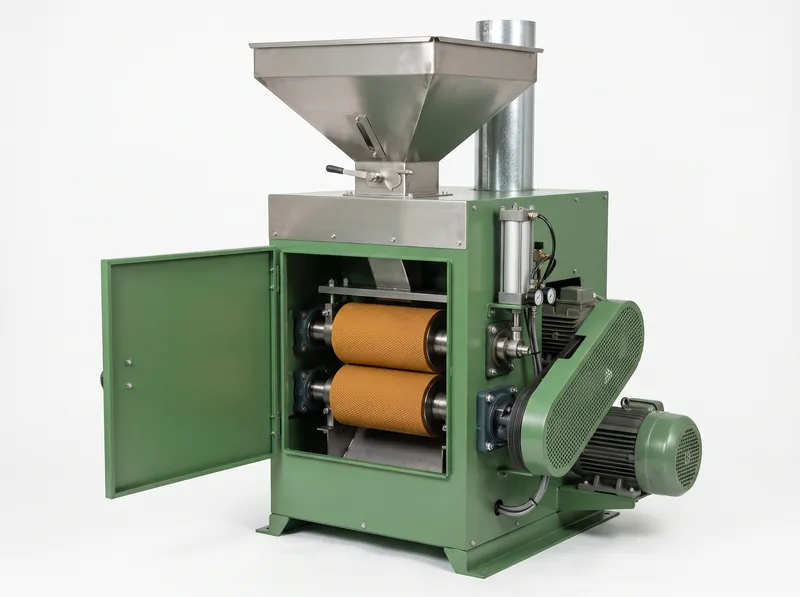
Removes the husk from paddy the cleaner and destoner have cleared of trash, dust and stones.
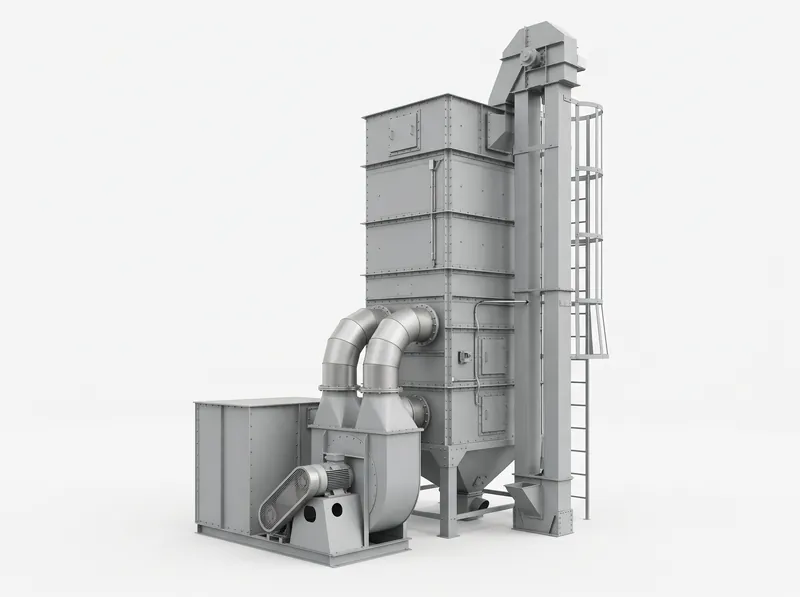
Dries wet paddy for storage or after parboiling, and works best on paddy already cleared of straw.
Next Step For Your Paddy Cleaner Machine
Send us the paddy you mill, your mill’s rate and what cleans it today, and we will reply with a customer-specific proposal. Write to archit@sonikaimpex.com or sunil@sonikaimpex.com, or call +91 99027 67900.