

Home › Rice Processing › Parboiled rice mill plant
Parboiled Rice Mill Plant, 8 To 96 Tonnes Per Batch
Paddy soaked, steamed, dried and milled into parboiled rice, with steam from husk.
Who A Parboiled Rice Mill Plant Suits
A parboiled rice mill plant suits a buyer whose market eats parboiled rice, or who wants the firmer, more translucent grain that parboiling gives. It may be a new plant built as parboiling and milling together, or an expansion that adds a parboiling section ahead of a running raw rice mill plant. Plants mill 1 to 10 TPH of paddy, with parboiling batches of 8 to 96 tonnes. The buyer needs steady paddy, water, room for a boiler house and staff who can run steam plant.
Process Flow


Stage 1
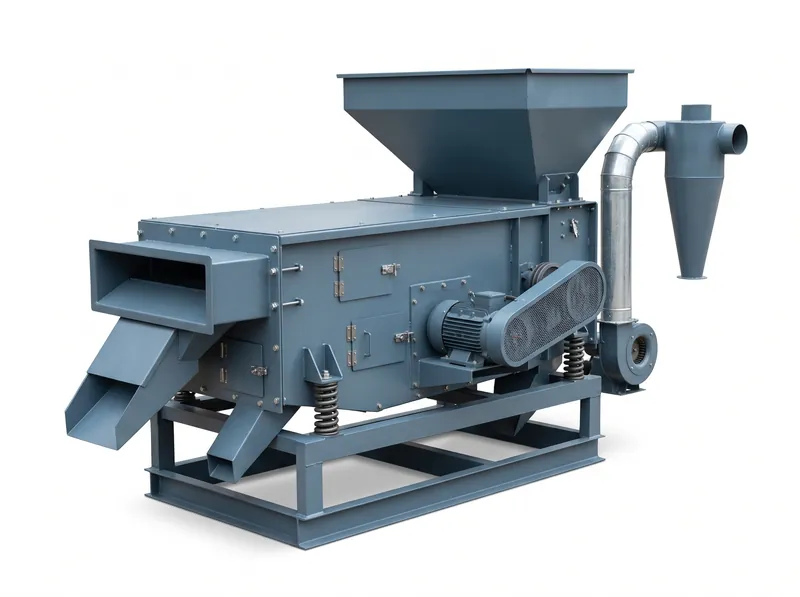
Cleaning In The Parboiled Rice Mill Plant
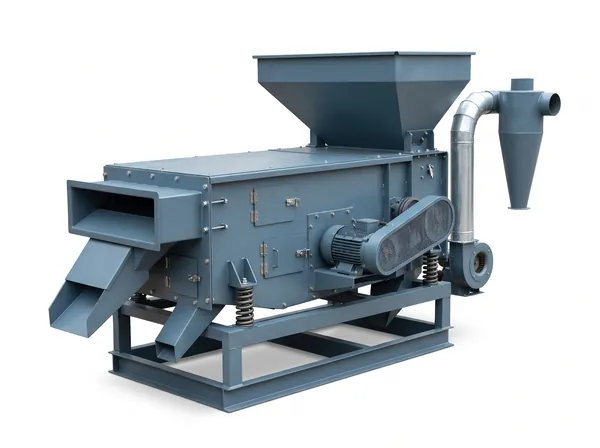
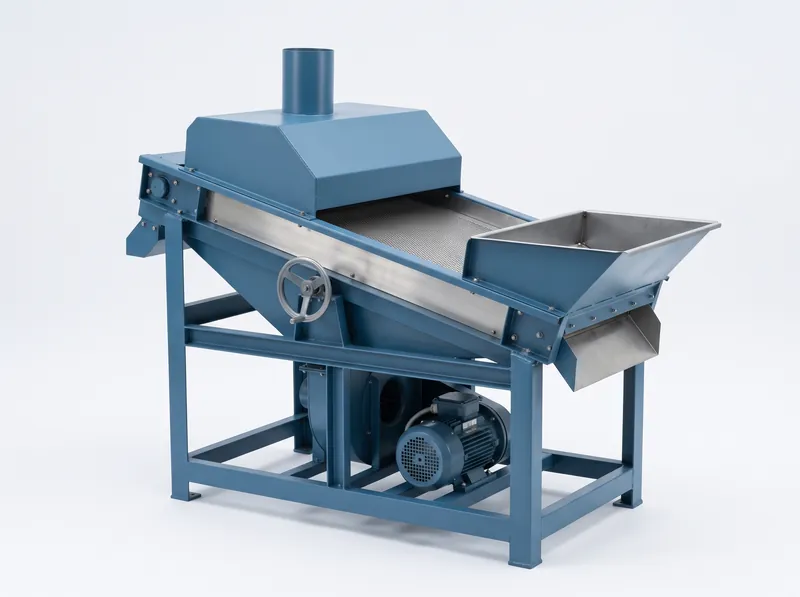
Paddy is cleaned before it is soaked, because dirt and stones left in the batch foul the soak water and later damage the husker. The paddy pre-cleaner screens out straw and large impurities, and a blower lifts dust and empty grain. The paddy destoner then floats paddy across a vibrating, dimpled deck and drops stones out at the top. Clean paddy then goes to a bin that holds one batch.
Machines At This Stage
- Paddy pre-cleaner
- Paddy destoner
Stage 2
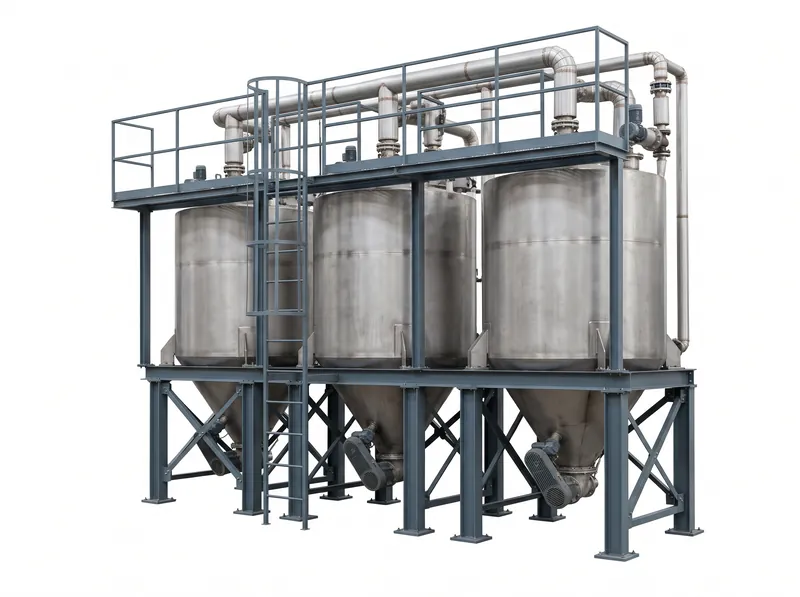
Soaking And Steaming In The Parboiled Rice Mill Plant
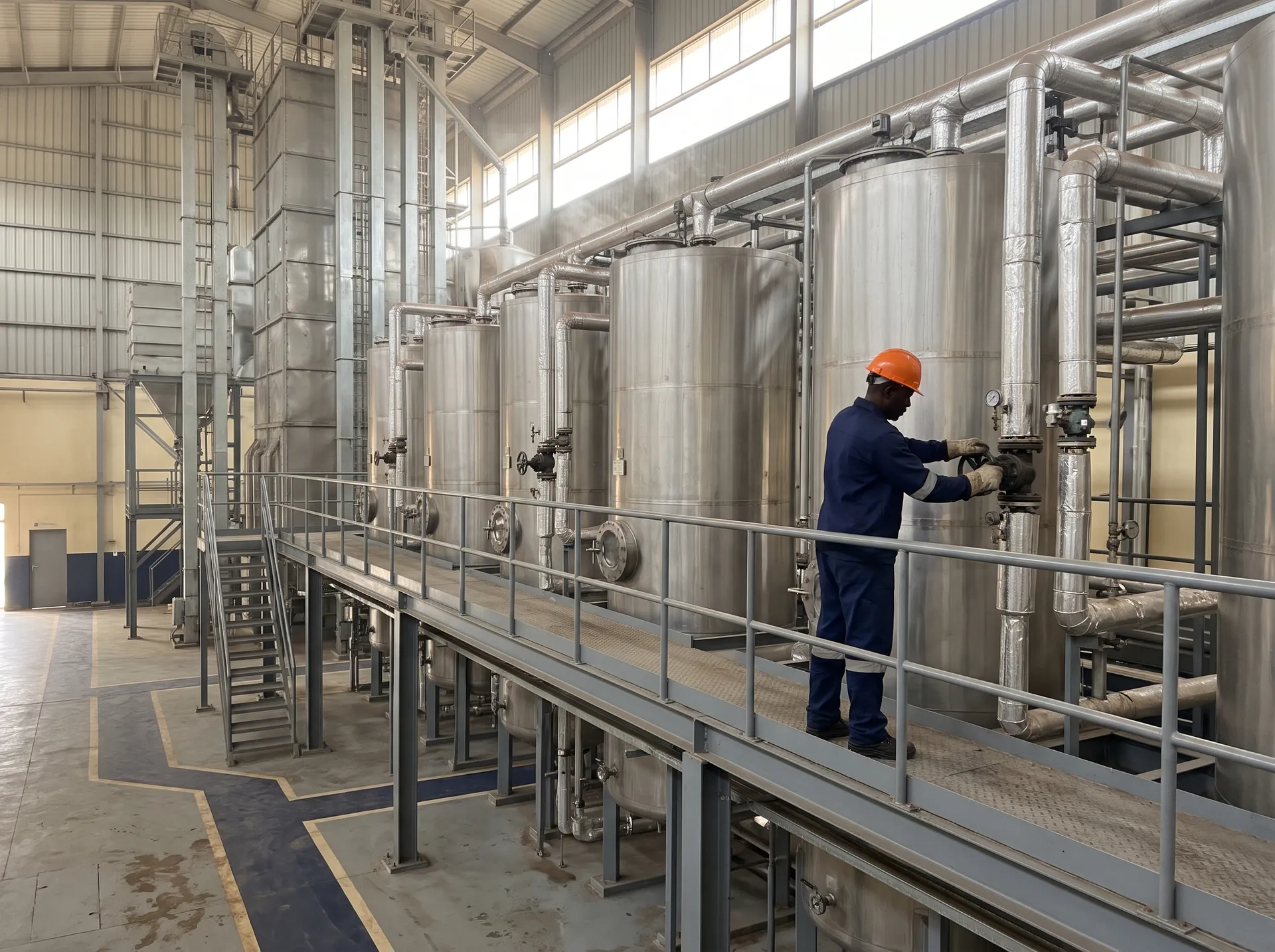
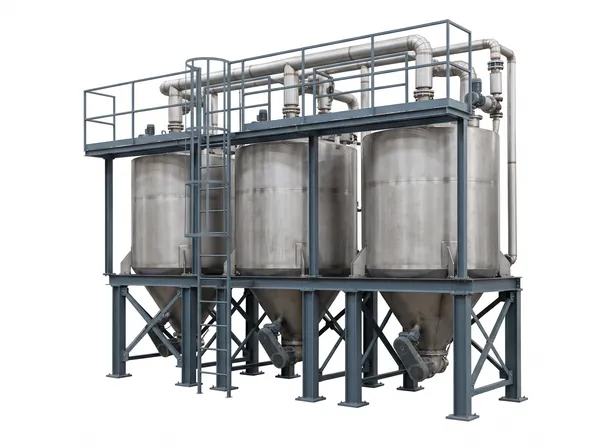
In the parboiling soaking and steaming tanks, paddy soaks in hot water until water reaches the centre of each grain. The water is drained and steam is passed through the paddy, which gelatinises the starch and seals cracks in the grain. Tanks of 500 kg to 8 tonnes stand in a row and feed batch dryers. You choose the tank count from batch size and batches per day.
Machines At This Stage
- Parboiling soaking and steaming tanks
Stage 3
Drying In The Parboiled Rice Mill Plant
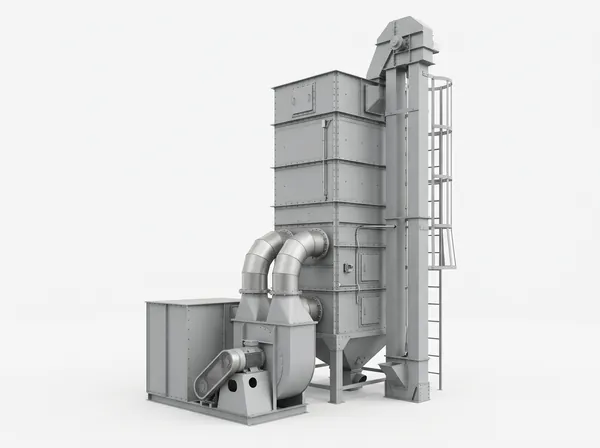
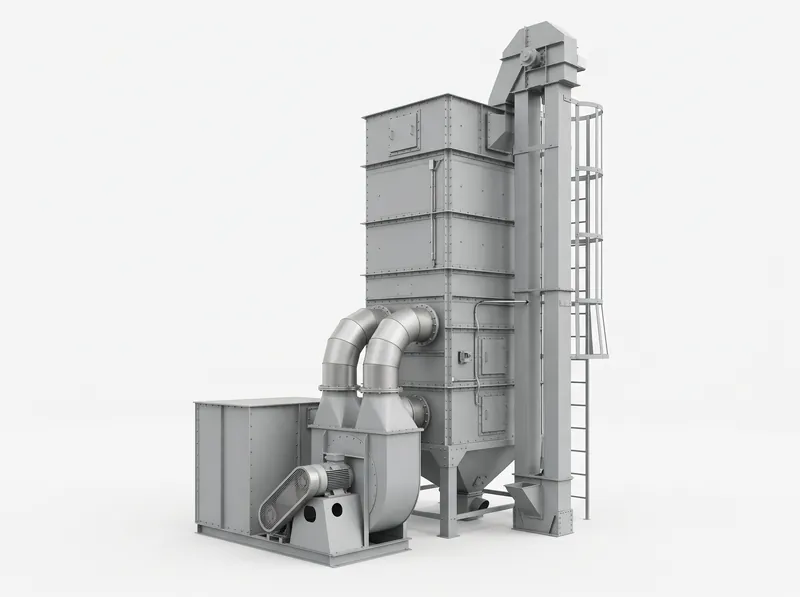
Steamed paddy is wet and hot, and it must be dried back to milling condition before it can be husked. The paddy dryer does this in batches. A blower pushes air through a steam heat exchanger and up through the paddy in the dryer, and the paddy is kept moving as it dries. Dried paddy then rests in tempering bins so moisture evens out through the grain. Dryers are matched to the batch, from a mobile recirculating batch dryer to a large column dryer.
Machines At This Stage
- Paddy dryer
Stage 4
Husking And Separation In The Parboiled Rice Mill Plant
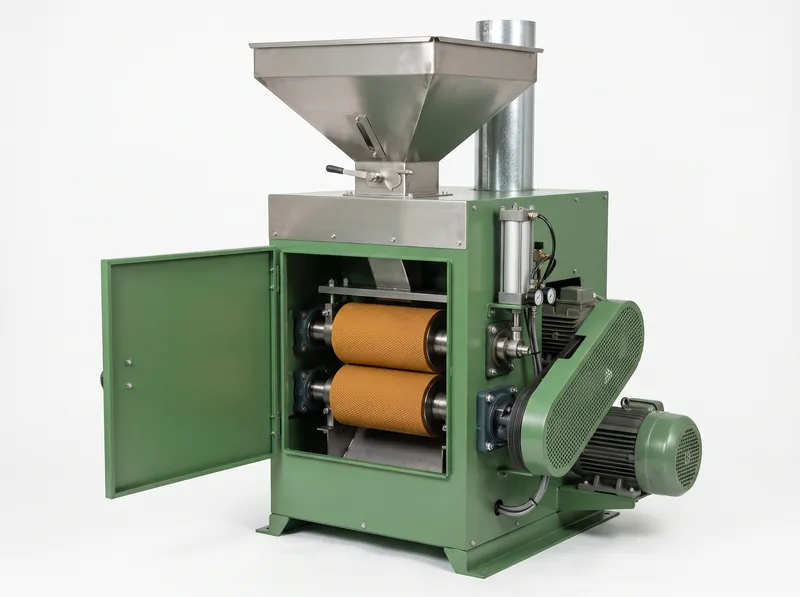
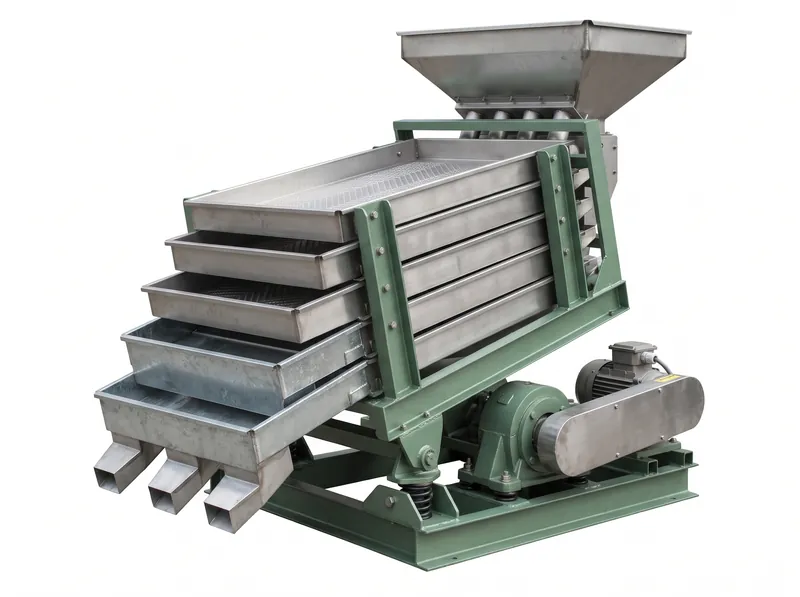
The rubber roll husker peels the husk off with two rubber rolls of 10 or 12 inch turning at different speeds, and it handles parboiled paddy as well as raw. A pneumatic husker holds the roll gap as the rubber wears. Husk is drawn off to the husk line that feeds the boiler. The paddy separator then splits brown rice from unhusked paddy on a vibrating deck of trays and returns the paddy to the husker.
Machines At This Stage
- Rubber roll husker
- Paddy separator
Stage 5
Whitening In The Parboiled Rice Mill Plant
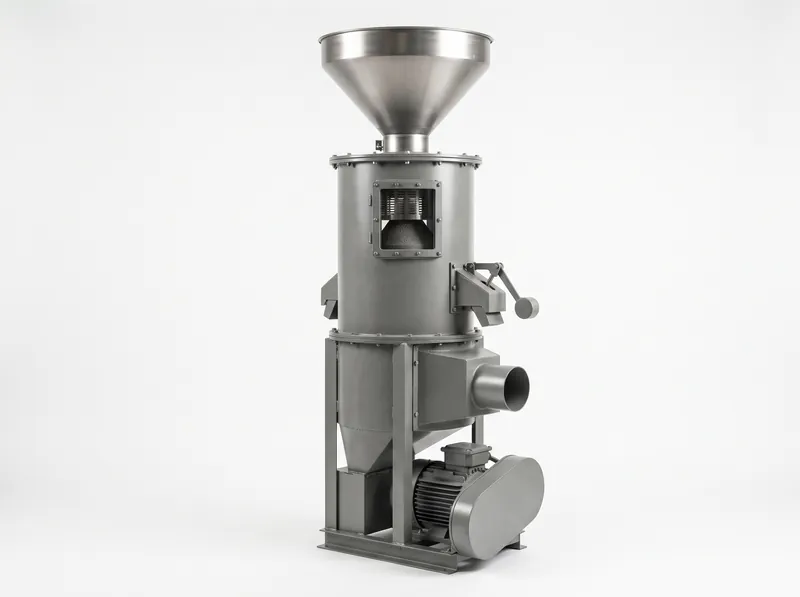
In the rice whitener, an abrasive stone turning inside a slotted screen rubs the bran off the brown rice. Parboiled grain is harder than raw grain and breaks less at this step. Whiteners run in series, each taking off a little bran. Stones come in 24, 30 or 36 grit. A bran line with blower, cyclone and airlock clears each machine. You choose the whitener size from the milling capacity, and the grit from the whiteness your buyers expect.
Machines At This Stage
- Rice whitener
Stage 6
Grading In The Parboiled Rice Mill Plant
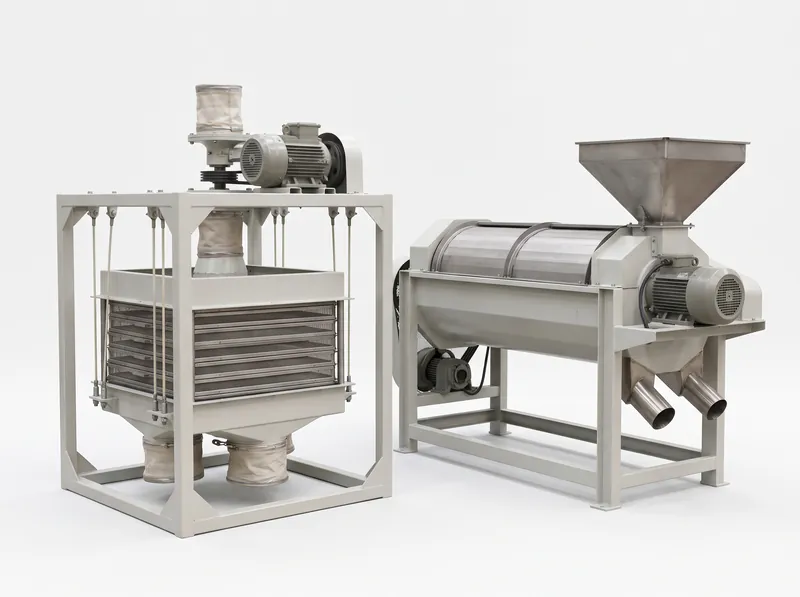
The plan sifter and length grader separates head rice from brokens. A rotary plan sifter screens the rice on stacked sieves into head rice, large brokens and small brokens. Trieur cylinders with indented walls then lift short grains out of the stream. The range runs from a single length grader to a plan sifter with trieur cylinders. You set the grading to the broken content your market accepts in each grade of parboiled rice.
Machines At This Stage
- Plan sifter and length grader
Stage 7
Colour Sorting In The Parboiled Rice Mill Plant
Parboiling can leave some grains darker or spotted, and the rice colour sorter removes them. Grain runs past cameras, and each discoloured or foreign grain is blown aside by a jet of air. Sorting pays where buyers pay for an even colour. You choose the number of chutes from the flow. Where sorting is not needed yet, space can be left in the line and the sorter added later.
Machines At This Stage
- Rice colour sorter

Stage 8
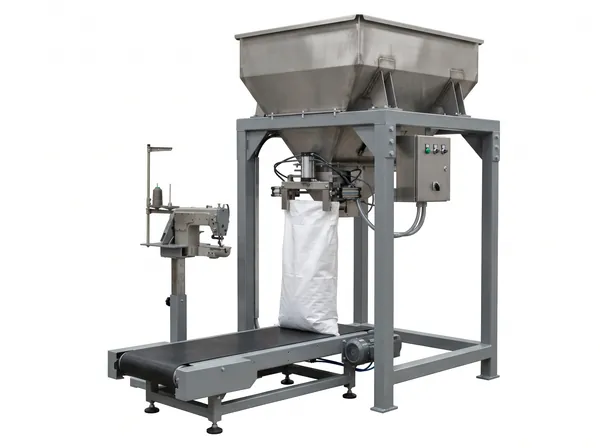
Bagging In The Parboiled Rice Mill Plant
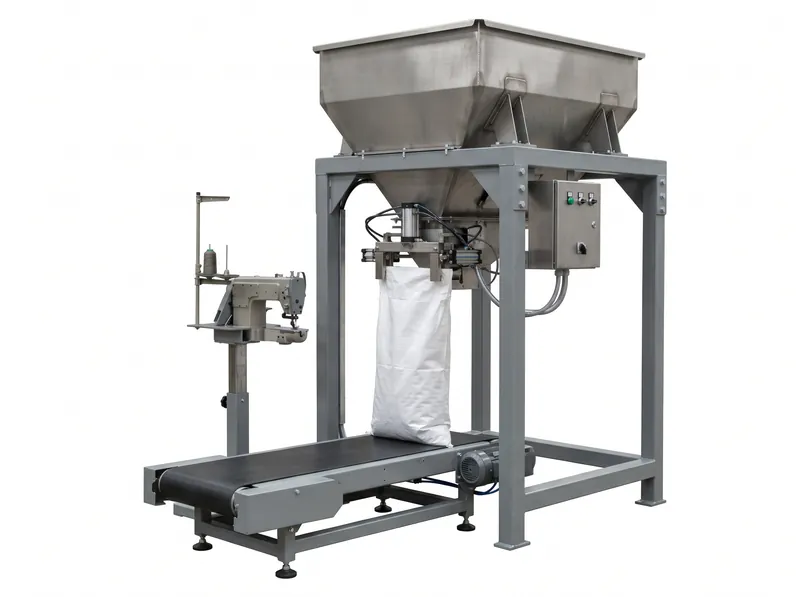
Finished rice is held in rice bins and a packing hopper, with brokens binned apart. The rice bagging machine weighs rice on load cells into bags of 10 to 50 kg, and a slat conveyor carries each bag to the stitcher. The range runs from a semi-automatic single weigher to an automatic twin weigher. Retail pouches of 1 to 5 kg run on a separate line, from a semi-automatic filler to a multi-head form-fill-seal machine.
Machines At This Stage
- Rice bagging machine
Stage 9
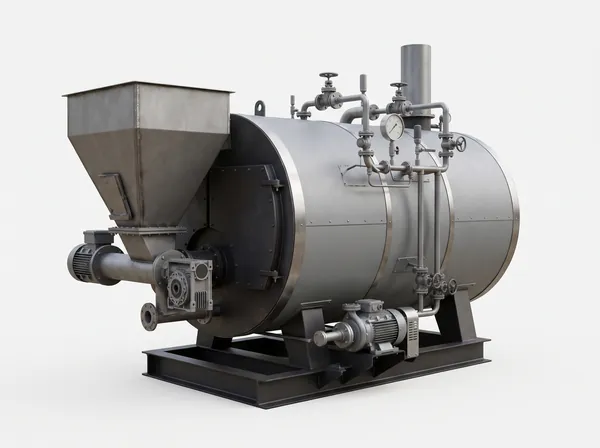
Steam From The Husk Boiler In The Parboiled Rice Mill Plant
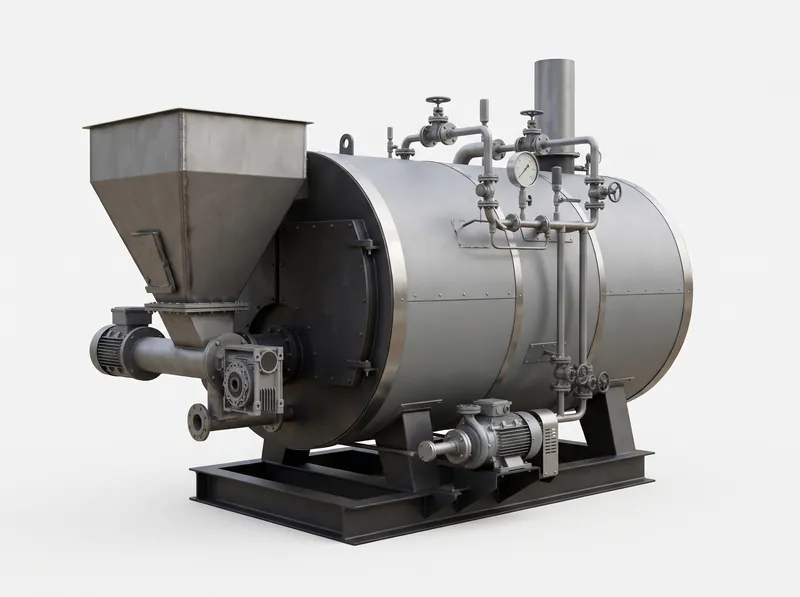
The husk-fired boiler raises the steam for heating the soak water, for steaming the paddy and for the dryer heat exchanger. It burns the husk the mill produces, fed from a husk bunker. Its feed water passes through a softener first, and the boiler can be supplied IBR certified. You choose its size from the batch size and the number of batches a day. Steam demand peaks when tanks are steaming and dryers are running together.
Machines At This Stage
- Husk-fired boiler
Parboiled Rice Mill Plant Capacity
A parboiled rice mill plant is sized on paddy milled per hour and paddy parboiled per batch, both set to your paddy and season.
- Milling: 1, 2, 3, 5 and 10 TPH of paddy.
- Parboiling: 8, 16, 32, 48, 64 and 96 tonnes of paddy per batch, from a single-batch parboiling unit to a multi-dryer plant.
The main machines are rated as follows:
- Parboiling soaking and steaming tanks: sections of 8, 16, 32, 48, 64 and 96 tonnes per batch, in tanks of 500 kg to 8 tonnes.
- Paddy dryer: 5, 10, 16, 32 and 48 tonnes per batch.
- Husk-fired boiler: 500 kg/hour, 1, 2, 3, 6 and 8 TPH of steam.
- Rubber roll husker: 0.5–1, 1.5–2, 3–4 and 5–6 TPH of paddy per machine.
- Rice whitener: 0.5–1, 1.5–2, 3 and 4–5 TPH per machine.
- Rice colour sorter: 1, 2–3, 4–5, 6–7 and 8–10 TPH.
- Rice bagging machine: 150–200 to 600 bags/hour of 10–50 kg.
What Decides The Design Of A Parboiled Rice Mill Plant
The plant is designed around your paddy and the batches a day the site can support.
- Raw material and season: paddy variety and harvest volumes.
- Product mix: parboiled only, or parboiled and raw rice from the same mill.
- Scale and running hours: batch size, batches per day and the mill size that follows.
- Utilities available: soaking water, power and husk.
- Staff skill: boiler operators and a supervisor who judges soaking by the grain.
- Packaging the local market expects: bulk bags or retail packs.
- Site and access: room for tanks, dryers and boiler house, and drainage.
What A Complete Parboiled Rice Mill Plant Includes
Parboiled Rice Mill Plant Process Line
Pre-cleaner, destoner, batch bin, soaking and steaming tanks, paddy dryers, tempering bins, huskers, paddy separator, whiteners, plan sifter and colour sorter.
Parboiled Rice Mill Plant Packaging Machinery
Load-cell bagging machine with slat conveyor and stitcher; pouch filler or form-fill-seal machine.
Parboiled Rice Mill Plant Utilities
Husk-fired boiler with softener, hot-water tanks, an air compressor, and power with control panels.
Parboiled Rice Mill Plant Storage And Handling
Paddy store or grain storage silos, elevators, conveyors across the tank row, rice and broken-rice bins, bran collectors and a husk line to the boiler.
Parboiled Rice Mill Plant Laboratory
Moisture meter, sample husker, sample whitener and sample cooker.
Parboiled Rice Mill Plant Working Capital Materials
Bags and pouch film, stitching thread, boiler water treatment chemicals, spare rubber rolls, whitener stones and screens.
Buying A Parboiled Rice Mill Plant In Stages
A miller already running a raw rice mill can add parboiling ahead of it, provided the mill matches the parboiling output. The tanks, dryer and boiler are bought together, because soaking, steaming and drying run as one chain. The colour sorter and pouch line can wait until buyers ask for them.
The steam side and the site cannot be deferred. Plan the boiler, chimney, husk bunker, water supply and drainage from the start, and leave room for more tanks. Size the first plant from batch size and batches per day together.
Parboiled Rice Mill Plant Inputs And Utilities
Parboiling runs on paddy, water, steam and power. Paddy waiting for a batch is kept dry, because paddy that heats before soaking gives poor colour. Soaking needs water in quantity, and spent soak water needs a drain or treatment.
Steam heats the soak water, steams the paddy and heats the dryer air. The boiler burns husk from the mill, and its feed water passes through a softener first. Compressed air serves gates and the colour sorter. The packing machines run on compressed air at 6 bar.
Staff work the boiler, tank row, dryer and mill on every shift. Bran is sold as a by-product, and surplus husk needs storage or a buyer.
Parboiled Rice Mill Plant Inspection And Documentation
The tanks, dryers, boiler and mill can be inspected before shipment by SGS or Bureau Veritas, as you or your bank require. The husk-fired boiler can be supplied IBR certified, with its compliance documents. The scope covers erection and commissioning, and training for project and maintenance staff at the buyer’s site. Training covers the boiler, soaking and steaming, the dryer and the mill.
How A Parboiled Rice Mill Plant Project Runs
A project starts with your paddy, your market and your site. The needs assessment sets out what the plant needs now and later, leading to a customer-specific proposal and the order. The machinery goes through pre-shipment inspection and packing, is exported from India, and goes through erection and commissioning at your site. After-sales support stays available after the warranty period ends. How we work sets out the rest.
Pages Related To The Parboiled Rice Mill Plant
- Rice processing
- Rice Processing Machinery
- Compact rice mill
- Mini rice mill
- Raw rice mill plant, 2 TPH and above
- Post-harvest drying and cleaning
- Steam boilers
- Grain storage silos and handling
Frequently Asked Questions
What Batch Sizes Does A Parboiled Rice Mill Plant Come In?
Parboiling sections are offered at 8, 16, 32, 48, 64 and 96 tonnes of paddy per batch, in tanks of 500 kg to 8 tonnes.
Can A Parboiled Rice Mill Plant Be Added To An Existing Rice Mill?
Yes, if the mill is sized for the parboiling output. Rubber roll huskers handle parboiled paddy as well as raw.
What Fuels The Boiler In A Parboiled Rice Mill Plant?
It burns the husk the mill produces, so steam comes from the plant’s own by-product.
How Is A Parboiled Rice Mill Plant Shipped And Paid For?
Sonika Impex India prefers FOB, and CIF is also used. Payment is by TT or Letter of Credit, open to negotiation.
Next Step For Your Parboiled Rice Mill Plant
Send us details of your paddy, the parboiled rice your market buys and your site, including its water and husk supply, and we will prepare a customer-specific proposal. Write to archit@sonikaimpex.com or sunil@sonikaimpex.com, or call +91 99027 67900.