

Home › Rice Processing Machinery › Paddy separator
Paddy Separator Machine For Rice Mills
Returns unhusked paddy to the husker and passes brown rice on in a rice mill.
What A Paddy Separator Machine Does
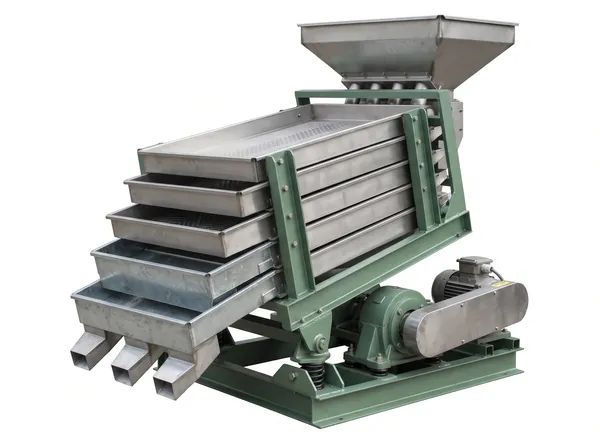
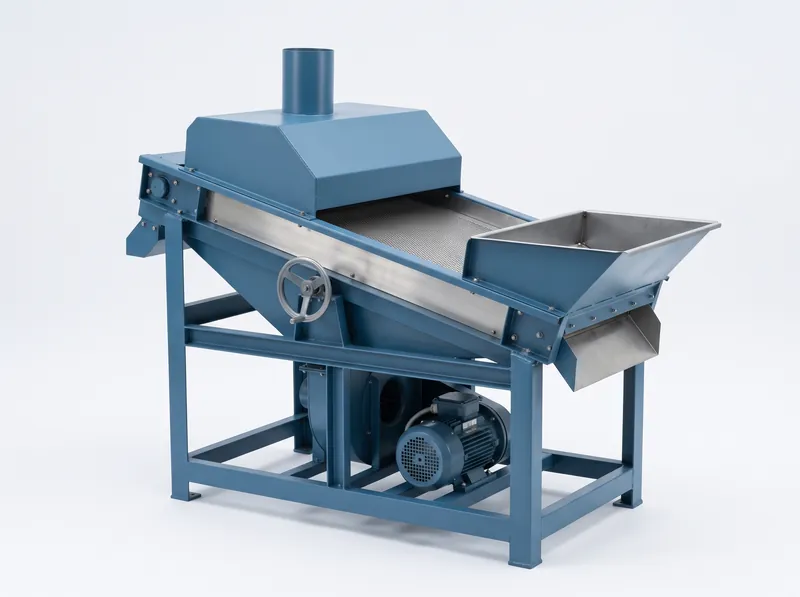
A paddy separator machine sorts what leaves the rubber roll husker into brown rice, which goes on to whitening, and unhusked paddy, which goes back to the husker. It works on the small differences between the two grains in weight, surface and bounce, on a stack of shaking inclined trays.
When separation is done badly, the mill loses either way. Paddy that slips through with the brown rice reaches the rice whitener and shows up in the finished rice as paddy grains and husk specks. Brown rice sent back by mistake is husked again, cracks and leaves as brokens. An overloaded separator does both at once.
- Capacity: 1, 2, 3, 5 and 10 TPH
- Range: small tray separator to large multi-tray table separator
Paddy Separator Machine Capacity
Paddy separator machines are offered at 1, 2, 3, 5 and 10 TPH. Each is chosen above the husker’s rate, because returned paddy and the mixed stream pass through it more than once.

Where A Paddy Separator Machine Sits In The Line
The mixture arrives by bucket elevator from the rubber roll husker, after the husk has been lifted off. It is mostly brown rice, with a share of paddy the rolls did not husk.
Three streams leave. Clean brown rice goes forward to the rice whitener. Unhusked paddy goes back by elevator to the husker inlet for another pass. A middle stream, where paddy and brown rice are still mixed, returns to the separator’s own inlet to be sorted again.


How It Works
1
Feeding The Paddy Separator Machine Trays
A distributor at the top of the machine splits the mixture evenly between every tray in the stack. Each tray must carry the same load, or one runs thin and another floods. The operator sets the feed to the husker’s output and checks each tray inlet for an even stream.
2
Shaking The Paddy Separator Machine Tray Stack
The trays are mounted one above the other in a rigid frame. An eccentric drive moves the whole stack back and forth, throwing the grain gently up the slope at each stroke. On larger machines a variable frequency drive sets the stroke speed for each variety.
3
Sorting Grain Across The Paddy Separator Machine Trays
Each tray surface is formed into a zigzag or indented pattern and tilted across its width. Brown rice, heavier and smoother, settles into the indents and climbs to the upper side. Paddy, lighter and more springy, rides on top and drifts to the lower side. The operator sets the tilt.
4
Splitting Streams At The Paddy Separator Machine Outlet
Adjustable dividers at the discharge end split each tray’s output into brown rice, mixed grain and paddy. The operator moves them to keep paddy out of the brown rice stream. If paddy appears in the whitener feed, the divider or the slope is reset before anything else.
Types And Options
Small Tray Paddy Separator Machine
The small end of the range, with fewer trays in a compact frame. It is often fed straight from the husker with a short elevator, and suits a compact mill where one operator runs the husking section.
Multi-Tray Paddy Separator Machine
The usual machine on raw and parboiled mills at the middle steps. More trays share one eccentric drive, so capacity is added without widening the floor area the separator takes up.
Table Paddy Separator Machine
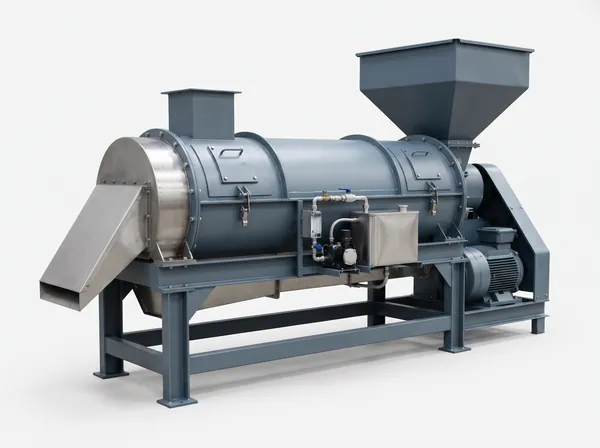
The large end of the range: a wider multi-tray table with a zigzag surface. It handles the larger capacity steps on one machine, and its wider trays give the grain more room to part before the dividers.
Paddy Separator Machine With Variable Frequency Drive
A drive and panel board that set the stroke speed from the panel. A mill that runs several varieties, or both raw and parboiled paddy, resets the separator for each without changing pulleys.
Paddy Separator Machine Tray Count
The tray count is chosen for the mill rate and the share of paddy expected back from the husker. A mill that husks gently, or runs long grains that return more paddy, plans more tray area for the same line rate.
What Decides The Choice Of A Paddy Separator Machine
The separator is sized for the grain that circulates through it. Returned paddy and the mixed stream pass through it again, so its load is higher than the mill’s rate.
- Variety: bold and long grains behave differently on the trays.
- Raw or parboiled: each changes the grain's weight and surface.
- Husker setting: the paddy it leaves unhusked sets the load that comes back.
- Scale and running hours: tray count, and fixed or variable drive.
- Floor height: elevators to feed it and carry three streams away.
- Maintenance: drive bearings and tray surfaces need regular access.
What A Paddy Separator Machine Is Supplied With
- The separator with its tray stack and feed distributor.
- Eccentric drive and motor.
- Variable frequency drive and panel board, where ordered.
- Discharge dividers for brown rice, mixed grain and paddy.
- Starter or connection to the mill’s control panel.
- Erection and commissioning at the buyer’s site.
- Training for project and maintenance staff at the buyer’s site.
- After-sales support, which stays available after the warranty period ends.
How we work sets out each step, from the first enquiry and customer-specific proposal to erection, commissioning and after-sales support.
Paddy Separator Machine On Its Own Or In A Line
A paddy separator machine is supplied on its own when a mill adds husking capacity, or when an old separator can no longer keep up with an expanded line. In a complete plant it works between the husker and the whitener in the compact rice mill, the raw rice mill plant, 2 TPH and above and the parboiled rice mill plant. Supplied as part of a line by Sonika Impex India, it is sized with the husker that feeds it.
Paddy Separator Machine Inspection And Documentation
SGS or Bureau Veritas can inspect the separator before shipment as the buyer requires. The checks that matter here are the tray surfaces and their mounting, the frame, the eccentric drive and bearings, the variable frequency drive where fitted, and a dry run. Packing for export follows the inspection.
Frequently Asked Questions
Why Does A Mill Need A Paddy Separator Machine At All?
Rolls set tight enough to husk every grain in one pass would break much of the rice. A husker set gently husks most of the paddy and keeps more grains whole. The separator sends the rest of the paddy back for another pass.
Can A Paddy Separator Machine Run Parboiled Paddy?
Yes. Parboiled paddy is separated on the same machine. The tray slope and stroke are reset for it.
What Is The Mixed Stream From A Paddy Separator Machine?
It is the band of grain between the brown rice and paddy sides of the trays. It goes back to the separator inlet to be sorted again.
What Shows A Paddy Separator Machine Is Set Wrong?
Paddy grains in the whitener feed, or too much brown rice in the return to the husker. Either means the slope, stroke or dividers need resetting.
Related Machines
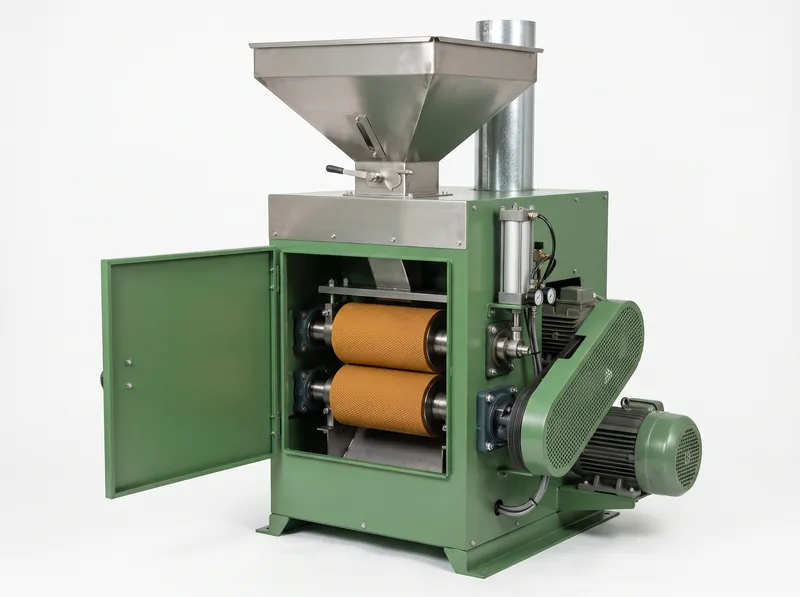
Feeds the separator its mixture and takes back the unhusked paddy for another pass.
Next Step For Your Paddy Separator Machine
Tell us your paddy varieties, whether you mill raw or parboiled, and your mill’s rate. We will send a customer-specific proposal. Write to archit@sonikaimpex.com or sunil@sonikaimpex.com, or call +91 99027 67900.